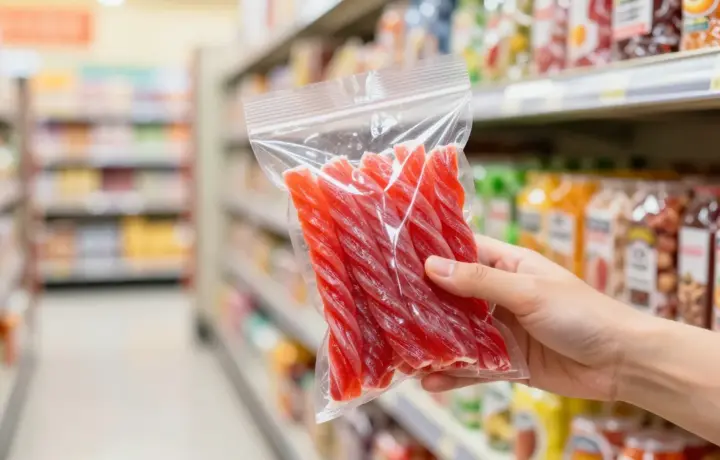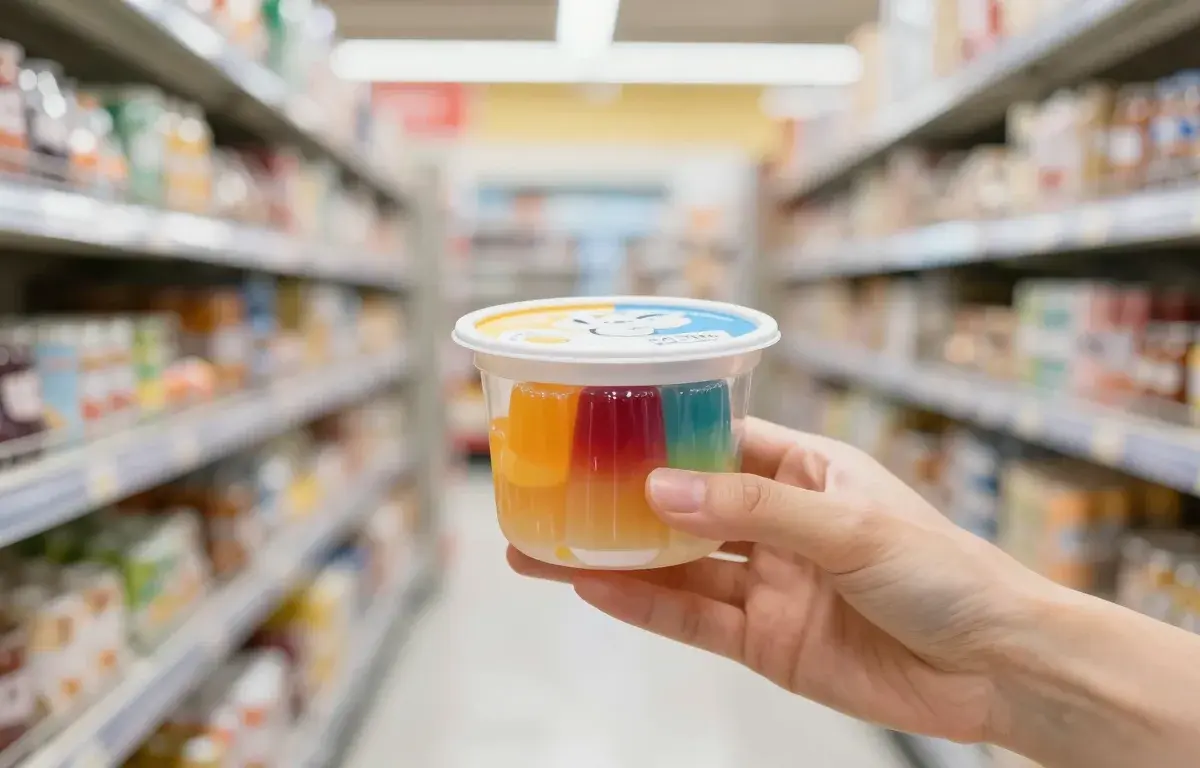
Standard Jell-O gelatin dessert is not kosher certified in United States stores, because it is made with gelatin that is usually animal-derived and carries no reliable symbol. A box is kosher only when it clearly shows a trusted hechsher. If you keep kosher, a certified gelatin dessert is the safer choice.
So, Is Jell-O Kosher?
Standard Jell-O gelatin dessert, the boxes on most American supermarket shelves, does not carry a kosher symbol. The brand is owned by Kraft Heinz, and its regular gelatin desserts are not certified. When I pick up a box and scan the front, the first thing I look for is a hechsher near the product name, and on classic Jell-O it is not there.
So the short answer is simple. A box of ordinary Jell-O is not kosher unless it clearly shows a reliable certification, and that is rare for this brand. If you keep kosher, the safer path is a dessert made with certified kosher gelatin, which I will cover below. You can find more of these product breakdowns in our is it kosher section.
Why Gelatin Is the Whole Question
Gelatin is what makes Jell-O wobble, and it is also what makes it complicated. Gelatin is produced by boiling down collagen from animal skin, bones, and connective tissue. The most common commercial sources are pork and cattle hides, and neither is kosher unless it comes from a kosher-slaughtered animal processed under supervision.
Because gelatin starts as an animal product, it can never be assumed kosher. A fruit dessert that looks harmless can still rest on a pork base. This is the trap that catches shoppers who expect candy and jelly to be automatically fine. For a deeper look at the ingredient itself, see our guide on whether gelatin is kosher.
There is also a genuine halachic discussion here. Some authorities treat certain gelatins as so chemically transformed that they carry a different status, while others hold that only gelatin from a kosher source is acceptable. Communities and rabbis differ on this point, so it is a question for your own rav rather than a label alone.
What the Jell-O Box Actually Tells You
When I read a Jell-O box, I check three things in order: the certification mark, the ingredient list, and the country it was made for. On standard United States Jell-O, there is no reliable symbol near the name, and gelatin sits high on the ingredient list.
Formulations change by country. A product sold under a similar name abroad can have a different recipe and a different certification status. So a box a relative brings back from a trip tells you nothing certain about the one on your local shelf.
Be careful with words like natural and real fruit flavor. Neither one tells you the gelatin source. Only a trustworthy hechsher, from an agency you and your rav rely on, actually answers the kosher question.
Scan the barcode or label and KosherCheck checks it against your standards in seconds, with the reasons why.
Kosher Gelatin Desserts Do Exist
The good news is that you do not have to give up wobbly desserts. Several brands make certified gelatin desserts aimed at kosher shoppers. Some use gelatin from kosher-supervised sources, and others skip gelatin entirely in favor of plant gels like carrageenan or agar.
Plant-based gel desserts are often pareve, which means they can follow a meat meal, though you should still confirm the symbol on the box. A kosher gelatin product may carry a dairy or pareve letter depending on the rest of the recipe.
When you shop, look for a clear agency mark such as the OU, OK, or Star-K on the front. For background on how gelatin is evaluated, the Orthodox Union publishes guidance on its site at ou.org. The same gelatin logic applies to other chewy treats, which is why gummy bears raise exactly the same flag.
The 15-Second Label Check
Over years of shopping for my family, I built a quick routine that works on any box, not just Jell-O. It takes about fifteen seconds and saves a lot of second-guessing in the aisle.
When a box fails this check, I do not guess. That is the moment I reach for KosherCheck, which reads the label and the symbol so I am not squinting at fine print. It flags the gelatin question automatically and shows why a product passes or fails against my standards.
When You Are Not Sure at the Shelf
Even after decades of reading labels, I still hit boxes that leave me uncertain. Brands reformulate, symbols get small, and imported products slip in with unfamiliar marks. Guessing is how mistakes happen.
That is where a scan helps. Point KosherCheck at the barcode or the label, and it detects the hechsher, reads the ingredient list, and checks both against the standards you set, including the agencies you trust and whether you accept certain gelatins. It gives you the reasons, not just a verdict.
The app is a detection tool, not a halachic ruling. It gets you to a confident answer fast, and for anything genuinely borderline, the final call still belongs to your rav.
Frequently asked questions
KosherCheck offers informational guidance and detects certifications and ingredients. It is not a halachic ruling. For a final decision, consult your rabbi.