 Ingredients & E-Codes
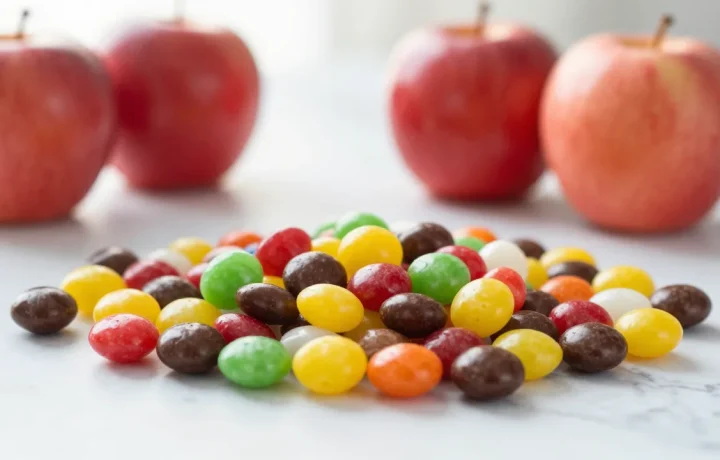
Is Shellac Kosher? Confectioner’s Glaze and E904
Is shellac kosher? Most major North American agencies, including the OU and Star-K, accept shellac, sold on labels as confectioner's glaze or E904, following Rav Moshe Feinstein. Israeli mehadrin hechsherim generally do not, so the answer depends on the standard your home keeps and on the hechsher printed on the package.
 Ingredients & E-Codes
Kosher E-Numbers List: Which Additives Are Kosher?
Kosher E-numbers depend on their source, not the code itself. Most additives on a label are plant based or synthetic and pose no problem, but a short list, including E120, E441, E471, E904 and E920, can be animal or insect derived and needs a certification to be sure.
 Ingredients & E-Codes
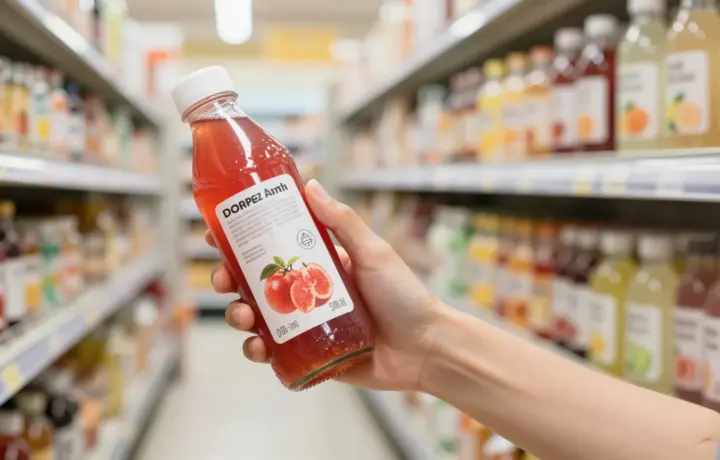
Is Carmine (E120) Kosher? The Insect Dye Question
Carmine, listed as E120, is not kosher. It is a red pigment made from the dried bodies of cochineal insects, and insects are not among the creatures kosher law permits. If a label lists carmine, cochineal, or carminic acid, treat the product as non-kosher unless a trusted hechsher says otherwise.
 Ingredients & E-Codes
Is Gelatin Kosher? What the Label Tells You
Gelatin is kosher only when it comes from a kosher source and carries a reliable hechsher. Most of the gelatin on supermarket shelves does not, because it usually starts with pork or non-kosher beef. The good news is that a label tells you most of what you need in a few seconds.