 Passover & Holidays
Passover Foods: What Needs a Passover Label and What Doesn’t
Passover foods are anything free of chametz, and for packaged products that usually means a Kosher for Passover hechsher, not just the regular symbol. A short list of plain staples, like non-iodized salt, extra virgin olive oil and unflavored coffee from listed brands, is approved without one. Ashkenazim also skip kitniyot.
 Is It Kosher?
Are Starburst Kosher? Gelatin, Labels and Alternatives
Are Starburst kosher? The classic US Starburst fruit chews list gelatin on the ingredient panel, and I could not find a recognized kosher agency that certifies them, so most kosher consumers skip them. Gummies, imported packs and newer plant-based versions use different recipes, and each one has to be checked on its own package.
 Is It Kosher?
Are Goldfish Crackers Kosher? Dairy, Flavors and Labels
Are Goldfish crackers kosher? In the US, Goldfish bags do not carry a hechsher, so kosher consumers do not treat them as kosher. Every variety I checked also contains milk, and the cheddar ones use cheese made with enzymes, which is exactly the kind of ingredient that needs supervision.
 Is It Kosher?
Are Cheez-Its Kosher? The OK-D Label Explained
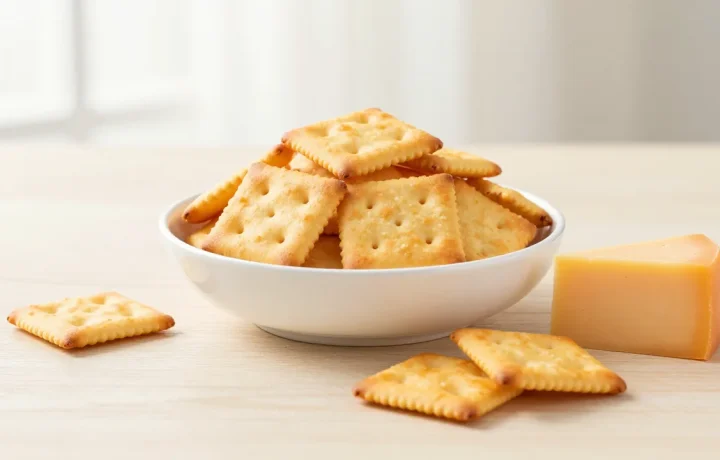
Yes, Cheez-Its sold in the United States are certified kosher, and they are dairy. The manufacturer's spec sheets list the symbol as OK-D from OK Kosher, not the OU, and the real cheese inside means they are never pareve. They are also chametz, so they are not kosher for Passover.
 Is It Kosher?
Are Takis Kosher? What the Bag Tells You
Takis are not certified kosher. I have not found a hechsher on Takis rolled tortilla chips in the US or Canada, and OU Kosher rabbis have described Takis as a snack that is not certified kosher. Since formulas, factories and packaging change, the bag in your hand is the final word, so here is how to read it.
 Certifications
Kosher Symbol K: What a Plain K on the Label Means
A plain letter K on a food label means only that someone claims the product is kosher. Because a single letter cannot be trademarked, the K does not tell you which rabbi or agency, if any, certified the food. To rely on it, you need to find the certifier by name and confirm your community accepts that certifier.