Gelatin is kosher only when it comes from a kosher source and carries a reliable hechsher. Most of the gelatin on supermarket shelves does not, because it usually starts with pork or non-kosher beef. The good news is that a label tells you most of what you need in a few seconds.
Is Gelatin Kosher? The Short Answer
Gelatin is kosher only when it comes from a kosher source and carries a reliable hechsher. Most gelatin on supermarket shelves does not.
The reason is simple. Standard gelatin is made from the skin and bones of pigs or cattle that were never slaughtered according to kosher law.
There is a real exception worth knowing. Gelatin from kosher fish, or from cattle slaughtered and processed under supervision, can be kosher when it is certified.
Communities and rabbis do not all treat these versions the same way. That makes gelatin a good example of a question you settle with your own rav rather than from a blog. If you are new to all this, our beginner’s guide to kosher covers the basics first.
What Gelatin Actually Is
Gelatin is a protein called collagen, pulled from animal connective tissue. Manufacturers boil hides, bones, and skin until the collagen breaks down into a gel.
The source animal matters more than anything else here. Pork skin is the cheapest and most common raw material for industrial gelatin worldwide.
Beef hides and bones are the other major source. Fish skin is a smaller but growing option, and it is the one that opens the door to kosher versions.
Because gelatin is an animal product, it is never pareve in its standard form. A fruit dessert that lists gelatin is a meat-derived food, even when nothing about it looks like meat.
Why Most Gelatin Is Not Kosher
Two problems make ordinary gelatin a kosher concern. The first is the animal, and the second is how that animal was handled.
Pork is never kosher, full stop. Any gelatin sourced from pigs is off the table regardless of how far it is processed.
Beef can be kosher, but only from an animal slaughtered through shechita and properly prepared. Gelatin from a regular slaughterhouse fails that test, because the cattle were not slaughtered under Jewish law.
Some authorities argue that gelatin is processed so heavily that its status changes. This is a genuine debate among poskim, and it is exactly the kind of question you bring to your own rabbi.
Scan the barcode or label and KosherCheck checks it against your standards in seconds, with the reasons why.
Kosher Gelatin Does Exist
You can find gelatin that carries a trusted hechsher. It comes from a few specific sources.
Fish gelatin is made from the skin of kosher fish, and agencies like the Orthodox Union certify it. Some people treat it with extra care around meat and dairy, so check how your community handles it.
Kosher beef gelatin is produced from cattle slaughtered under supervision. It is less common and more expensive, and when it appears it is clearly certified as a meat product.
Plant-based substitutes sidestep the whole question. Agar agar, carrageenan, and pectin create similar textures without any animal source, and they show up in many certified kosher desserts.
How to Read a Label for Gelatin
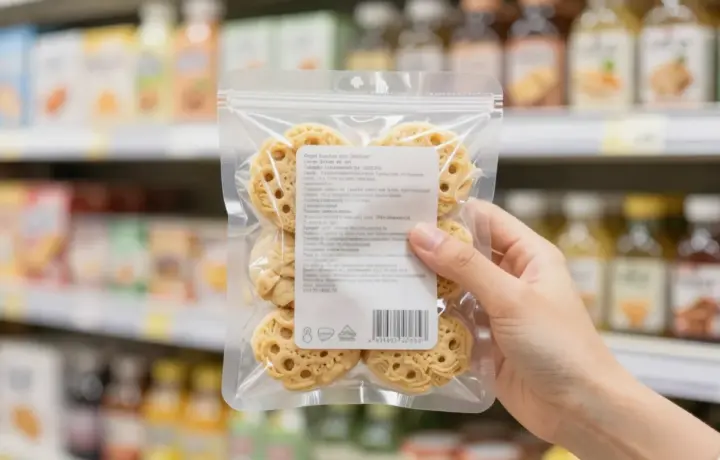
The label tells you most of what you need in a few seconds. Start with the ingredient list and the certification symbol together.
A reliable hechsher near the product name is your strongest signal. When a trusted symbol appears and the gelatin is certified, the source has already been vetted for you.
Words like gelatin, gelatine, or even kosher gelatin without a symbol are not enough on their own. Certification confirms the source, not the ingredient name.
If scanning every label by hand feels like too much, tools like KosherCheck can read the symbol and ingredients for you and match them to your standards.
Foods That Often Hide Gelatin
Gelatin shows up in more products than most shoppers expect. It is a texturizer, so it hides in soft and chewy foods, alongside other tricky ingredients worth double-checking.
Gummy candies and marshmallows are the classic examples. Many rely on pork or beef gelatin unless they carry a kosher symbol.
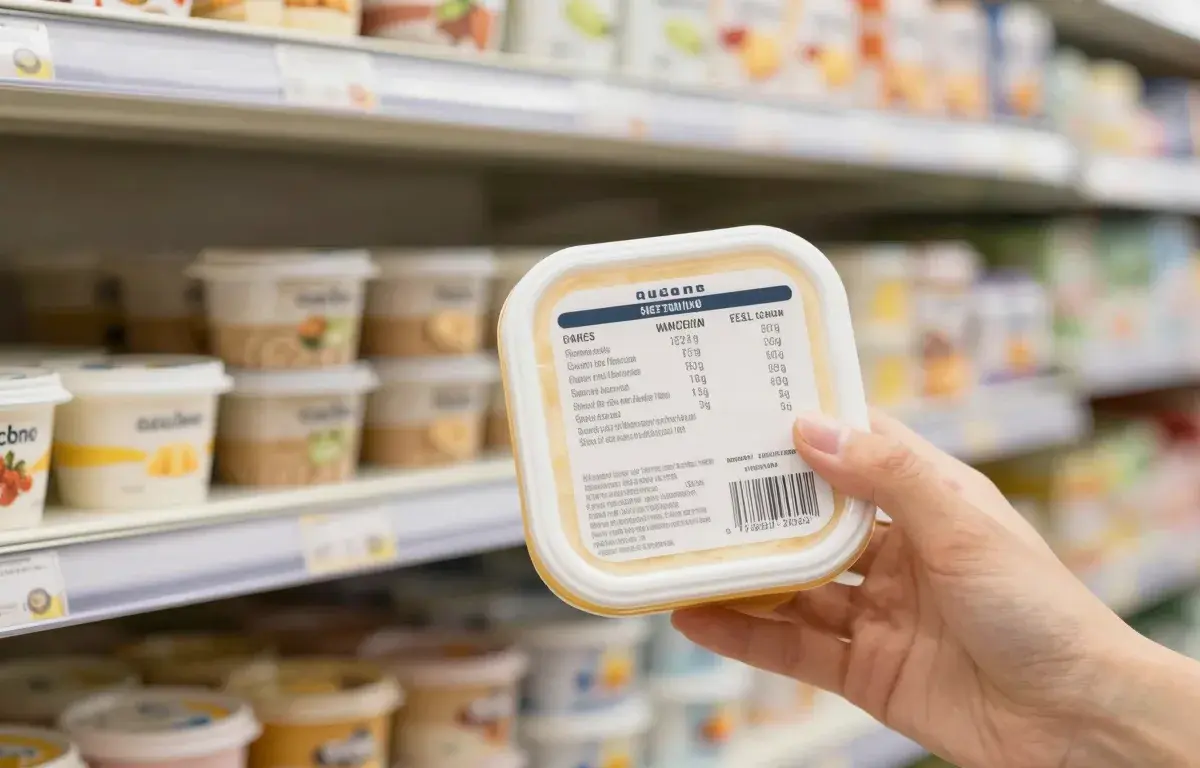
Some yogurts and sour creams use gelatin as a thickener. A dairy symbol alone does not tell you the gelatin source, so the hechsher still matters.
Supplements are an easy blind spot. Gel capsules and gummy vitamins are frequently gelatin-based, and they rarely get the same attention as food.
When You Are Not Sure at the Shelf
Gelatin is one of the trickiest ingredients to judge on your own. Sources change between countries, brands, and even production batches.
When a label leaves you guessing, a quick scan settles it faster than reading every line. Apps like KosherCheck read the hechsher and ingredients for you and compare them against the standards you set.
The tool flags the gelatin, points to the certification, and tells you whether it fits your practice. It is a detection aid, not a halachic ruling, so a real question still goes to your rav.
A simple habit helps most. Check the symbol, read the ingredients, and when doubt remains, verify before it goes in the cart.
Frequently asked questions
KosherCheck offers informational guidance and detects certifications and ingredients. It is not a halachic ruling. For a final decision, consult your rabbi.