 Is It Kosher?
 Are Pop-Tarts Kosher? What the Box Tells You
Pop-Tarts are kosher when the carton carries a reliable hechsher, and most boxes sold in the United States do carry one. The complication is not whether a symbol exists. It is the small letter printed next to it, because a dairy designation changes when and with what you can eat the pastry.
 Is It Kosher?
 Is Coca-Cola Kosher? What the Label Actually Says
Coca-Cola is kosher in most major markets, and in the United States the classic formula is certified pareve. The catch is that certification follows the bottling plant and the formula, not the red logo, so the same drink can be certified in one country and uncertified in another.
 Is It Kosher?
 Are M&Ms Kosher? It Depends on the Country
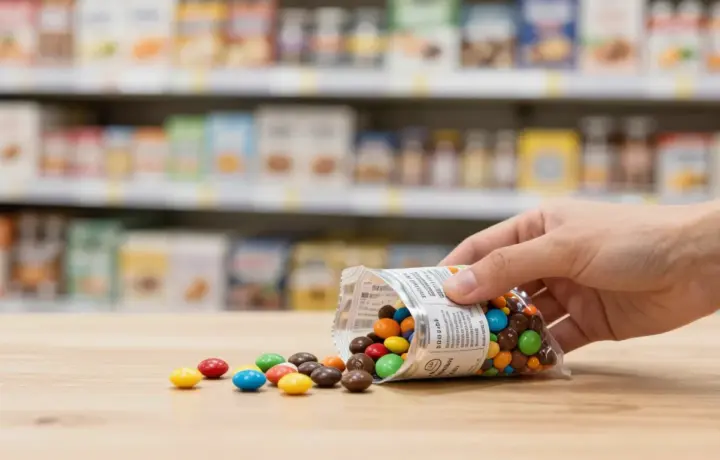
M&Ms sold in the United States are certified kosher dairy by the Orthodox Union, so the bag carries an OU-D. M&Ms made for the UK and much of Europe are a different story: they are not kosher certified, and the red coating often uses carmine (E120), an insect-derived dye. The country on the back of the bag matters more than the brand on the front.
 Is It Kosher?
 Is Nutella Kosher? What the Dairy Symbol Means
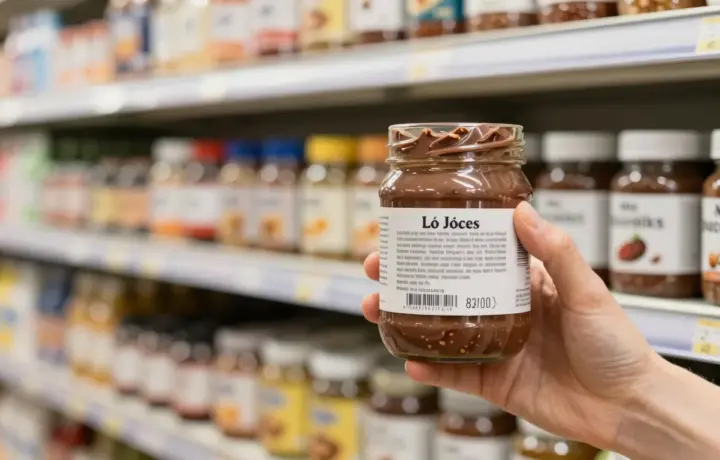
Nutella is kosher only when the specific jar in your hand carries a reliable kosher symbol. The spread contains skim milk powder, which makes it a dairy product, so even a certified jar is kept away from meat. Certification and recipe both change from country to country, so the label is where your answer lives.
 Is It Kosher?
 Are Sour Patch Kids Kosher? What the Label Shows
Sour Patch Kids are kosher when the package carries a recognized hechsher, and the classic American version is certified pareve by the Orthodox Union. The catch is that certification lives on the bag, not on the brand name, so the symbol has to actually be there.
 Is It Kosher?
 Is Jell-O Kosher? What the Gelatin Tells You
Standard Jell-O gelatin dessert is not kosher certified in United States stores, because it is made with gelatin that is usually animal-derived and carries no reliable symbol. A box is kosher only when it clearly shows a trusted hechsher. If you keep kosher, a certified gelatin dessert is the safer choice.