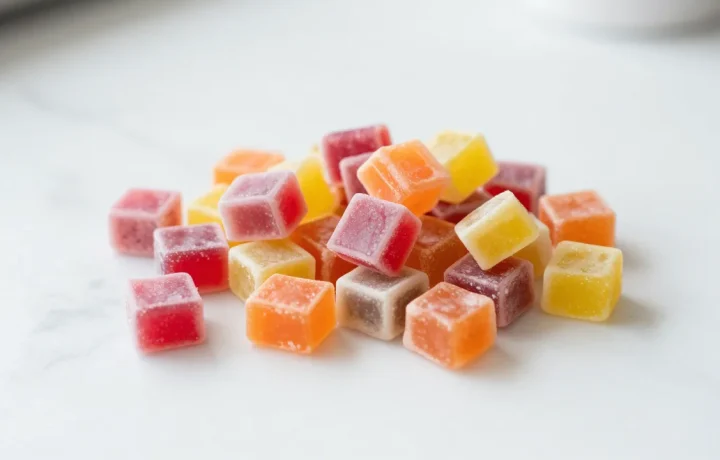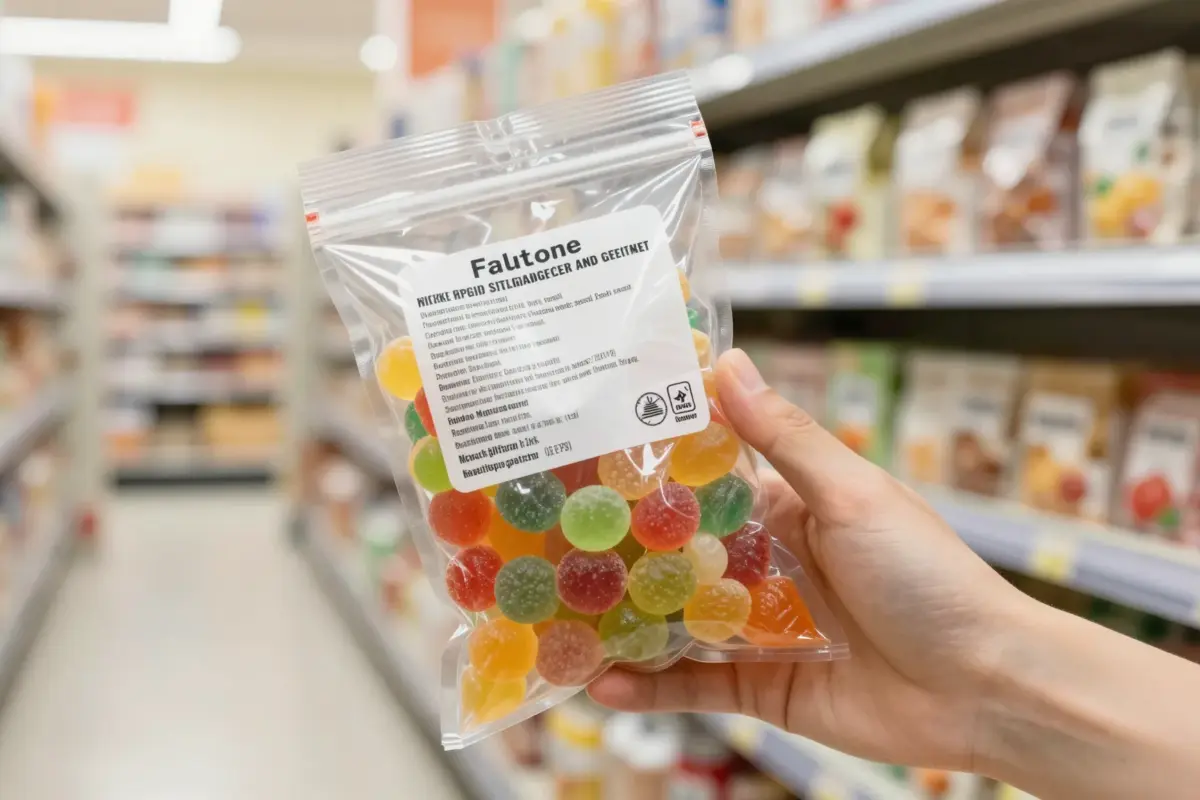
Gummy bears are kosher only when they carry a reliable hechsher, and most ordinary bags do not. The chew usually comes from gelatin, which is often sourced from non-kosher animals. Certified kosher gummy bears do exist, so the real skill is reading the package.
So, are gummy bears kosher?
The honest answer is that it depends on what the gummy bear is made from, and whether a kosher agency stood behind the batch. A plain bag with no symbol is a question mark, not a yes.
Most classic gummy bears get their bounce from gelatin. When that gelatin comes from pork or from beef that was not slaughtered according to kosher law, the candy is not kosher. That describes a large share of the gummy bears sold in ordinary supermarkets.
The good news is that kosher gummy bears absolutely exist. Some are made with gelatin from kosher-slaughtered animals or kosher fish, and others skip gelatin altogether and use pectin or starch. The only reliable way to tell them apart is the hechsher on the package, not the color or the brand name.
Why gelatin is the whole question
Gelatin is what gives a gummy bear its chew. It is a protein pulled from the skin, bones, and connective tissue of animals, most often pigs or cattle.
For a gummy bear to be kosher, that gelatin has to come from a kosher source. In practice that means gelatin from a kosher-slaughtered animal or from kosher fish. Standard commercial gelatin does not meet that bar.
There is a real difference of opinion here worth naming. A minority of authorities have argued that gelatin is so chemically transformed from the original tissue that it takes on a new status. Mainstream agencies like the OU do not rely on that view, and they certify gelatin only from kosher sources. This is a genuine halachic question, so follow the ruling of your own rabbi rather than a blanket answer online.
If you want the background on gelatin itself, our longer piece on whether gelatin is kosher walks through the sourcing in detail.
What kosher gummy bears are actually made of
When a gummy bear carries a trusted symbol, one of a few things is usually true about the recipe.
- Kosher gelatin. The gelatin comes from a kosher-slaughtered animal or from kosher fish. Fish gelatin raises its own questions about mixing fish with meat, so some people keep those candies pareve and eat them apart from meat meals.
- Pectin. A fruit-based gelling agent that is plant derived. Pectin gummies are common in organic and vegan lines.
- Starch or gum arabic. Other plant-based setters that give a softer, jellier bite.
A pectin or starch gummy is generally pareve, which makes it easy to serve after a meat meal. A gelatin gummy depends on the source, and the hechsher will often carry a letter that hints at its status. If you are fuzzy on those letters, the is it kosher section here breaks down the common product questions one by one.
Scan the product and KosherCheck checks it against your standards in seconds, with the reasons why.
The color and flavor fine print
Gelatin is not the only thing to check on a gummy bear. The red and pink pieces are worth a second look.
Some candies get their red from carmine, also labeled cochineal or E120. Carmine is a dye made from insects, which makes it a kosher problem regardless of the gelatin. A reliable hechsher accounts for this, which is one more reason the symbol matters more than the ingredient list alone.
Natural and artificial flavors are another gray zone. The word natural tells you nothing about the source, and flavor systems can carry small amounts of animal or non-kosher derived components. This is exactly the kind of hidden detail a certification is designed to catch.
When you shop, the color of the candy tells you nothing. Look for the mark first, then read the letters next to it.
The 15-second gummy bear label check
You do not need to be an expert to vet a bag of gummy bears at the shelf. Run through this quick check.
This is the same routine that works on marshmallows, chews, and anything else that wobbles. If you want the marshmallow version, see our guide on whether marshmallows are kosher.
Brands, symbols, and where to look
Brand names are not a shortcut. The same brand can sell a gelatin version in one country and a kosher-certified version in another, because formulas change across borders.
Haribo is the clearest example. Its familiar gold bears are widely made with pork gelatin, while a separate Haribo kosher line uses kosher gelatin and carries a symbol. That split is broken down in our Haribo guide, and the lesson applies to almost every candy aisle.
The certification symbol is almost always printed near the ingredient list or the product name, often small. If a gummy bear is certified, the maker wants you to find the mark, so it will be there. If you cannot find one after a careful look, assume it is not certified.
Keeping every brand, symbol, and country variation in your head is a lot. That is where a tool helps. With KosherCheck on your phone, you can point the camera at a bag and let it read the label and the symbol for you, instead of squinting at fine print in the aisle.
When in doubt, scan it
A bag of gummy bears is one of those foods where a two-second habit saves you from a wrong call. The stakes feel small until you notice how often gelatin hides in candy you would never suspect.
The rule is simple. If the bag has a reliable hechsher, trust it and check the letter for meat, dairy, or pareve status. If it has no symbol, put it back, no matter how good it looks or how many people online swear it is fine.
For the borderline moments, scanning beats guessing. When you are not sure, you can open KosherCheck, take a photo of the product, and it checks the product against the standards you care about, from the agencies you trust to whether you want pareve only. It is a detection tool that saves you time, not a substitute for a ruling. For anything that touches real halachic doubt, ask your rabbi.
Frequently asked questions
KosherCheck offers informational guidance and detects certifications and ingredients. It is not a halachic ruling. For a final decision, consult your rabbi.