Most Twizzlers sold in the United States are kosher pareve and carry the OU symbol on the package. The big exception is Twizzlers Gummies, which list gelatin and do not appear in the OU’s product listings. The symbol on the bag you are holding is what counts, not the brand name.
The Short Answer on Twizzlers
Twizzlers are made by Hershey’s in the United States, and most of the line is certified kosher by the Orthodox Union. On a standard bag of Strawberry Twists you will find the OU symbol with no letter next to it. That plain OU means the candy is pareve, so it contains no meat or dairy and can be eaten with either.
The OU product database lists Twizzlers items as pareve OU, including Twists, Bites, Nibs, Pull ‘n’ Peel, Filled Twists, Minis, Sour and the Extra Long and Extra Soft lines. The OU’s letter of certification for Strawberry Twists, for example, lists them as pareve with the OU symbol required. The classic twists, bites and nibs contain wheat flour, which matters for Passover and for some readers who keep yoshon.
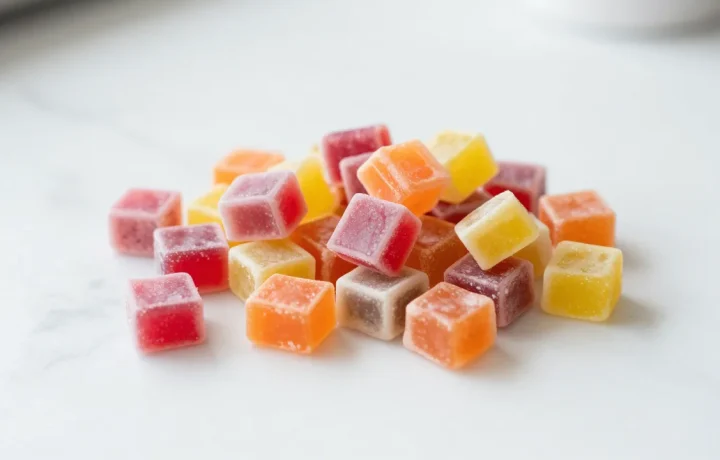
The one product to watch is Twizzlers Gummies. Hershey lists gelatin as the third ingredient without naming its source, and the product does not appear in the OU’s listings for Twizzlers. Same brand, same aisle, completely different answer.
When you shop, treat the brand name as a hint and the symbol as the answer. That habit keeps you safe with Twizzlers and with every other candy that runs several product lines under one name. You can find more product checks like this one in our Is It Kosher section.
How to Read the Twizzlers Label
The kosher symbol on Twizzlers usually sits on the back panel, close to the ingredient list or the nutrition facts. It is small, so give it a second look before you decide the bag has none.
An OU with no letter means pareve. An OU-D would mean dairy or dairy equipment, and an OU-P would mean kosher for Passover. If those letters are new to you, our guide to kosher certification letters walks through each one.
The OU publishes its certifications and product alerts on its official site, OU Kosher, which is the place to confirm a specific product if you are unsure.
If you would rather not memorize every symbol and letter, KosherCheck can read the label for you. Take a photo of the product, and it flags the hechsher it finds against the agencies you have chosen to rely on.
The Twizzlers Gummies Exception
Twizzlers Gummies look like they belong to the same family, but they are built differently. Classic Twizzlers get their chew from wheat flour and corn syrup. Gummies get theirs from gelatin, and the label does not say where that gelatin comes from.
Gelatin is one of the most common reasons a familiar brand ends up with mixed kosher status. Kosher gelatin exists, made from kosher fish or properly slaughtered animals, but it has to be certified. Our article on whether gelatin is kosher explains the different opinions and why rabbis disagree on some sources.
The same pattern shows up with gummy bears from other brands. A kosher licorice line next to a non-kosher gummy line is common, so the product name matters as much as the brand.
Scan the product and KosherCheck checks it against your standards in seconds, with the reasons why.
Ingredients Worth a Second Look
A typical bag of Strawberry Twizzlers lists corn syrup, enriched wheat flour, sugar, cornstarch, palm oil, salt, artificial flavor, glycerin, citric acid, potassium sorbate, Red 40, mineral oil and soy lecithin. None of these jump out as obviously meat or dairy.
Glycerin is the ingredient that needs supervision. It can come from vegetable oil or from animal fat, and the label does not tell you which. The OU certification is what confirms the source is acceptable.
Red 40 is a synthetic color made from petroleum. It is not the same as carmine, also listed as E120, which comes from insects and is not kosher. If a red candy lists carmine, cochineal or E120, that is a different conversation, covered in our carmine guide.
This is why reading ingredients alone is never enough. A list can look clean and still hide an animal-derived additive, or look worrying and turn out fine. The hechsher is what ties it together. For more on individual additives, browse our Ingredients section.
Twizzlers Outside the US and the Yoshon Question
Twizzlers sold in Canada, the UK, Israel and elsewhere may be made in different plants, with different formulations and different certifying agencies. Some imported bags in Israel carry a local hechsher. Others sold abroad may carry none at all.
If you travel or buy imported candy, check every bag on its own terms. An OU on the American package tells you nothing about a bag printed in another language. Our traveling kosher guide has more on shopping in other countries.
There is one more wheat-related point. Some observant Jews keep yoshon, meaning they avoid grain from the new crop until it has passed a specific date in the spring. Because Twizzlers contain wheat flour, they are on the radar of people who keep this practice, and yoshon guides track their production dates.
Many communities in North America do not keep yoshon as a strict requirement, while others treat it as essential. Practices vary between communities and rabbis, so ask your own rav what applies to you.
When you are checking an unfamiliar bag on a trip, KosherCheck can help. It reads the symbol and the ingredient list, then tells you whether the product fits the standards you set, or whether it needs a closer look.
Are Twizzlers Kosher for Passover?
No. Regular Twizzlers are made with wheat flour, which is one of the five grains, together with barley, rye, oats and spelt. Wheat flour mixed with liquid and cooked into candy is chametz, so standard Twizzlers are not eaten on Passover.
You will not find an OU-P on a normal bag of Twizzlers. If you are looking for chewy candy for the holiday, look for products specifically marked kosher for Passover by a supervising agency.
After Passover, some people are also careful about chametz that was owned by a Jew during the holiday. This can affect where you buy candy in the weeks that follow. Your rav can tell you which stores your community considers acceptable.
Our kosher for Passover guide covers the five grains, kitniyot and the Passover symbols in more detail.
Frequently asked questions
KosherCheck offers informational guidance and detects certifications and ingredients. It is not a halachic ruling. For a final decision, consult your rabbi.