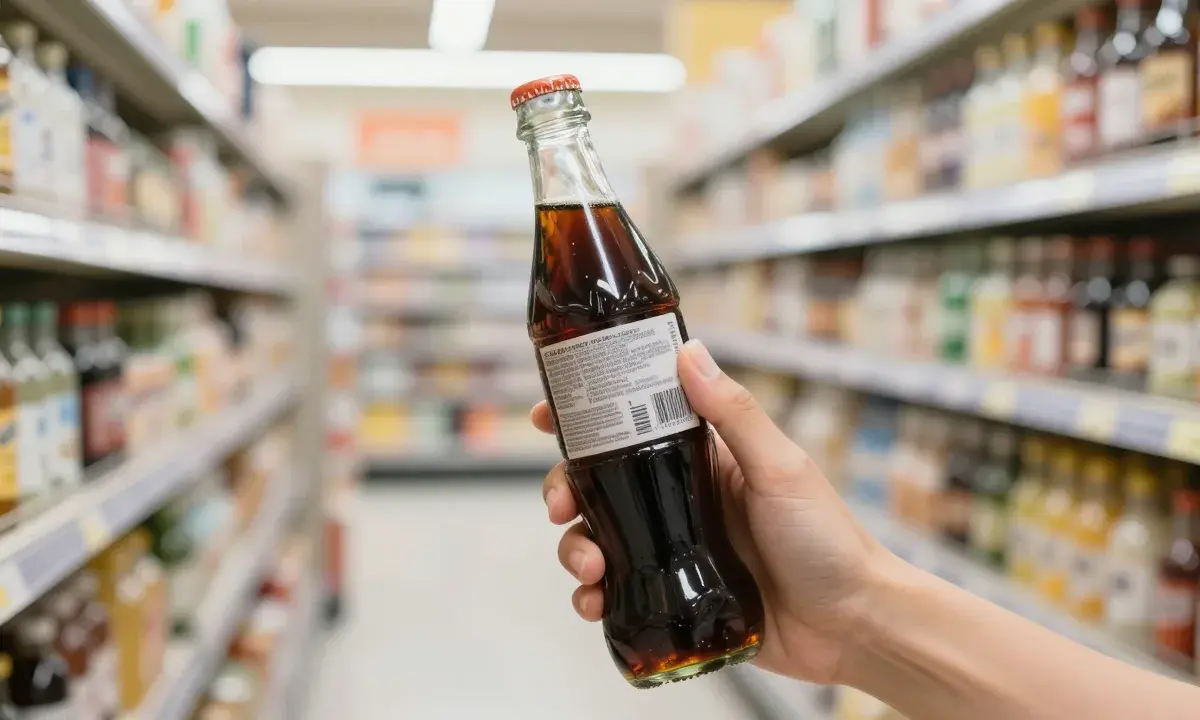
Coca-Cola is kosher in most major markets, and in the United States the classic formula is certified pareve. The catch is that certification follows the bottling plant and the formula, not the red logo, so the same drink can be certified in one country and uncertified in another.
The Short Answer on Coca-Cola
Classic Coca-Cola sold in the United States is certified kosher and pareve, which means it contains neither meat nor dairy and can be served with either. Most of Western Europe, Canada, Australia and Israel also have certified Coca-Cola on the shelf.
The important part is the reason it is certified. A hechsher is granted to a specific plant running a specific formula. Coca-Cola is bottled under license by dozens of separate companies around the world, and each one arranges its own supervision or skips it.
So the answer is yes with a check, not yes on faith. The bottle in your hand is the only evidence that counts, and it takes a few seconds to read.
What Is Actually in the Bottle
The published ingredient list for classic cola is short: carbonated water, sweetener, caramel color, phosphoric acid, natural flavors and caffeine. Nothing on that list is obviously animal derived, which is why people assume soda is automatically fine.
The sweetener is either high fructose corn syrup or sucrose from cane or beet, depending on the country. Both are plant based. Caramel color, usually the class IV type, is produced from corn or cane sugar. Phosphoric acid is mineral.
Natural flavors are where supervision earns its keep. That phrase can cover a long list of flavor components, and a certifying agency is the only party that sees the full breakdown. Consumers never do. If you want the broader picture on this, our ingredients guides walk through the additives that come up most often on labels.
This is the general shape of the kosher question on processed drinks. The concern is rarely a scandalous ingredient. It is the short list of components that are legally allowed to stay vague.
Why the Country on the Can Matters
Coca-Cola operates through regional bottlers, and supervision is arranged locally. In the United States the classic formula is certified by the Orthodox Union, and the OU symbol appears on the can. In the United Kingdom, KLBD supervises the local product. Israel has its own certifications, often at more than one level.
Other markets have no certification at all. That does not mean the drink was reformulated with something objectionable. It usually means no agency inspects that plant, so nobody can tell you what runs on the line before the cola does.
How you treat an uncertified bottle is a question for your own rav rather than for a website. Communities take different positions on unsupervised beverages, and the answer often depends on the country and the specific plant.
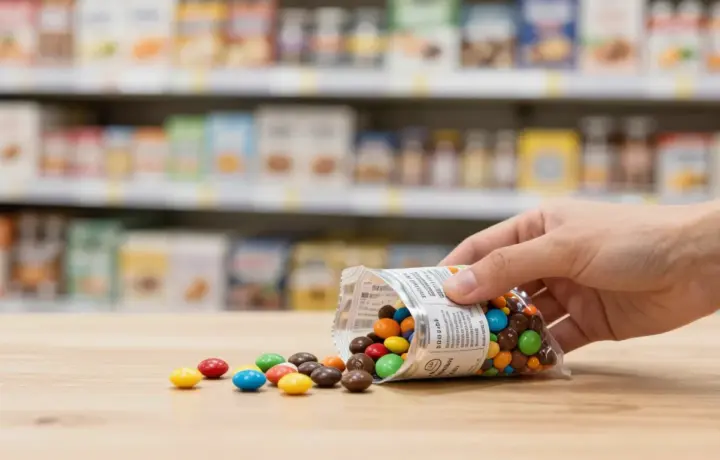
The practical lesson is simple. A bottle you trusted at home may be a different product with the same label abroad. We covered exactly this pattern in the country by country look at M&Ms, where the same candy carries different status in different markets. Soda works the same way.
Scan the barcode or label and KosherCheck checks it against your standards in seconds, with the reasons why.
Not Every Variant Carries the Same Status
Coca-Cola is now a family of drinks rather than one recipe. Diet and zero sugar versions use different sweetener systems. Cherry, vanilla and seasonal flavors add flavor concentrates that are certified separately. Coffee and creamy line extensions are a different category again.
A few points worth holding onto:
- Diet and zero sugar versions are generally certified in the markets where classic cola is certified, but the symbol still needs to be on the package.
- Flavored extensions can appear and disappear from a certification list between production runs.
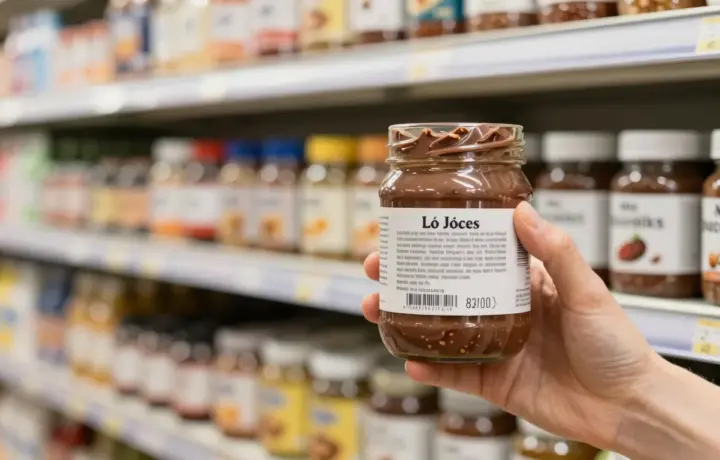
- Anything built around coffee or a milk component may carry a dairy designation, which changes when you can drink it relative to a meat meal. The same logic applies to any product with a dairy letter next to the symbol, a point we unpacked in the piece on the Nutella label.
- Fountain drinks and self-serve machines are a separate question from sealed bottles, because the syrup, lines and nozzles are outside the can.
The habit worth building is to check the variant, not the brand. A certified classic cola tells you nothing about the new flavor sitting next to it.
The Passover Question and the Yellow Cap
Passover is the one time of year when regular Coca-Cola becomes a real question in Ashkenazi homes in the United States. The reason is the sweetener. High fructose corn syrup comes from corn, and corn falls under kitniyot, the category of legumes and grains that Ashkenazi custom avoids during Passover.
That is the origin of the yellow cap bottles that appear in some American cities each spring. Those runs are made with sucrose instead of corn syrup and carry a Passover certification, most often an OU-P marking.
Two things are worth stating plainly. Kitniyot is a custom that Ashkenazi and Sephardi communities handle differently, so the yellow cap matters a great deal to some families and not at all to others. And a Passover symbol is its own designation, separate from the year round one. If Passover practice in your home is unsettled, that is a conversation for your rav, not a label reading exercise.
For the wider picture on what changes during the holiday, our Passover coverage goes through the categories in order.
The Ten Second Check at the Shelf
Most of the confusion around soda disappears once you learn to look in the right place. The symbol is usually near the ingredient panel or the barcode rather than on the front of the can.
That last step is the one that trips people up abroad, because the symbols look unfamiliar and there are hundreds of them in circulation. Nobody keeps them all in their head. When I am in an aisle I do not know, I scan the barcode or photograph the label with KosherCheck and let it match the symbol and the ingredient list against the standards I keep, including whether I accept that particular agency.
What comes back is a read of the package, not a ruling. It tells you which symbol is on the can, what the ingredients suggest and where the open questions sit. For anything genuinely unclear, the answer still comes from your rav. More background on reading symbols lives in our is it kosher archive.
Frequently asked questions
KosherCheck offers informational guidance and detects certifications and ingredients. It is not a halachic ruling. For a final decision, consult your rabbi.