Pop-Tarts are kosher when the carton carries a reliable hechsher, and most boxes sold in the United States do carry one. The complication is not whether a symbol exists. It is the small letter printed next to it, because a dairy designation changes when and with what you can eat the pastry.
The short answer on Pop-Tarts
Pop-Tarts are a certified product in most markets where they are sold, and the certifying agency is printed directly on the carton. That makes them easier to verify than a bakery item or a loose pastry, where no symbol exists at all.
The complication sits one step past the symbol. Many of the frosted varieties carry a dairy designation, which means the pastry belongs to the dairy category even if the ingredient list reads like a plain sweet dough. A dairy product cannot follow a meat meal within your community’s waiting period, and it cannot sit on a table set for meat.
So the answer has two halves. Confirm that the box carries a hechsher you trust, then read the letter beside it. The second half is the one most shoppers skip, and it is the half that decides whether the pastry works for a weekday breakfast or has to wait.
Flavor matters too. Two boxes from the same brand, sitting on the same shelf, can carry different designations. More on the product questions we cover here, because this pattern repeats across the snack aisle.
Where the symbol sits on the box
On a toaster pastry carton the certification mark is usually small and printed in one of three places. Check the front panel near the brand name, the narrow side panel next to the nutrition table, or the bottom flap.
The mark itself is a letter inside a shape. A hechsher is an agency mark, not a generic food label, so a plain letter K standing alone with no enclosing shape is not a certification from a named agency. A bare K is a claim the manufacturer prints itself, and it tells you nothing about who supervised the plant.
The agencies you are most likely to see on American breakfast products are the large national ones. Their own websites publish searchable product databases, and the OU keeps a public directory of what it certifies, which is the fastest way to confirm a specific flavor rather than a brand in general.
One more habit worth building. Photograph the panel when you find it, because packaging redesigns move the symbol and next month’s box may not match this month’s.
Frosting, dairy and why the letter matters
The frosting is where most of the questions live. Frostings and fillings are the part of a baked good most likely to bring in milk derivatives, and they are also the part most likely to be made on shared equipment.
A D after the symbol means dairy. That can mean actual milk ingredients, or it can mean the item was produced on equipment also used for dairy. The letters DE, meaning dairy equipment, signal the second case specifically, and communities differ on how they treat a DE product after a meat meal.
Pareve would mean the pastry is neutral and can follow either a meat or a dairy meal. Do not assume pareve from the ingredient list alone, because equipment status does not appear there. Only the certification letter carries that information.
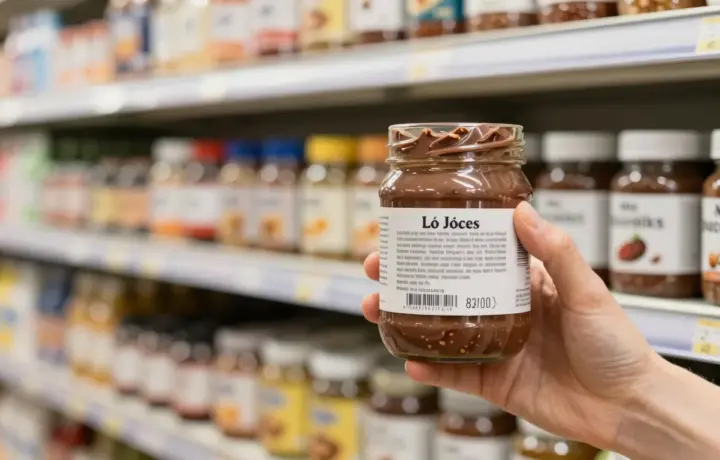
This same pattern trips people up across the sweet aisle, and it is exactly why a chocolate spread can carry a dairy mark that surprises people who read only the ingredients.
If your household waits between meat and dairy, the letter decides the schedule, not the flavor.
The ingredients worth a second look
Even on a certified box, reading the ingredient list teaches you what the agency was watching. Three categories come up again and again in filled pastries.
Gelatin is the first. It appears in some frostings and fillings as a stabilizer, and its source determines everything, which is why gelatin is the single ingredient that decides so many products. A certified box has already resolved the question. An uncertified one has not.
Mono- and diglycerides are the second. These emulsifiers can come from plant oils or from animal fat, and the label rarely says which. Certification is the only practical way to know.
Natural and artificial flavors are the third. Flavor blends are proprietary, and a single flavor compound can carry a carrier solvent or a dairy component that never appears by name.
None of that means an uncertified pastry is forbidden. It means you cannot resolve it from the panel in front of you. When I am standing in an aisle with three boxes and no patience for three database searches, I scan the label with KosherCheck and let it read the symbol and the ingredient list together against the standards I have set.
Scan the barcode or label and KosherCheck checks it against your standards in seconds, with the reasons why.
Why the same flavor differs by country
A box of the same brand and the same flavor can be formulated differently in different markets. Manufacturers source locally, plants run different equipment, and certification is granted per facility rather than per brand.
That means an American box and a British box of what looks like the identical product may carry different agencies, different letters, or no symbol at all. Travelers get caught by this constantly, and it is the same dynamic that makes candy vary from one country to the next.
European cartons often carry agencies that American shoppers have never seen. That is not a warning sign by itself. Reliable European agencies exist and certify widely, but recognizing an unfamiliar mark takes a moment of checking rather than a glance.
Duty-free shops and airport kiosks deserve extra attention. Stock there is sourced from wherever the supply chain is cheapest, and a familiar wrapper is no guarantee of a familiar plant.
A fifteen second check at the shelf
You do not need to memorize agencies to shop well. You need a sequence you run the same way every time, so nothing gets skipped when the store is busy.
Step three is the one that separates a careful shopper from a fast one. A product can be fully kosher and still be wrong for the dinner you are planning.
Holding all of that in your head across a full grocery run is the part nobody enjoys. Scanning the barcode with KosherCheck runs the same sequence against your own list of accepted agencies, including whether you keep Chalav Yisrael or Pas Yisroel, and tells you what it found and why.
What to do when there is no symbol
Sometimes the box simply has no mark. Store brands, regional bakeries and imported stock all produce toaster pastries that never went through certification.
The practical answer is to treat an uncertified filled pastry as unresolved rather than as a judgment call you make yourself. Frostings, fillings and emulsifiers carry too many hidden sources for an ingredient list to settle the question.
If the product matters to you, contact the manufacturer and ask which agency supervises the line, and at which plant. Companies answer this question often and usually know the answer immediately. A vague reply is itself informative.
And when the answer is still unclear, that is the moment to ask your rav rather than to reason it out at the shelf. Standards differ between communities on equipment status, on imported certifications and on what counts as a reliable agency. My job here is to tell you what to read on the box. The ruling is not mine to give.
Frequently asked questions
KosherCheck offers informational guidance and detects certifications and ingredients. It is not a halachic ruling. For a final decision, consult your rabbi.