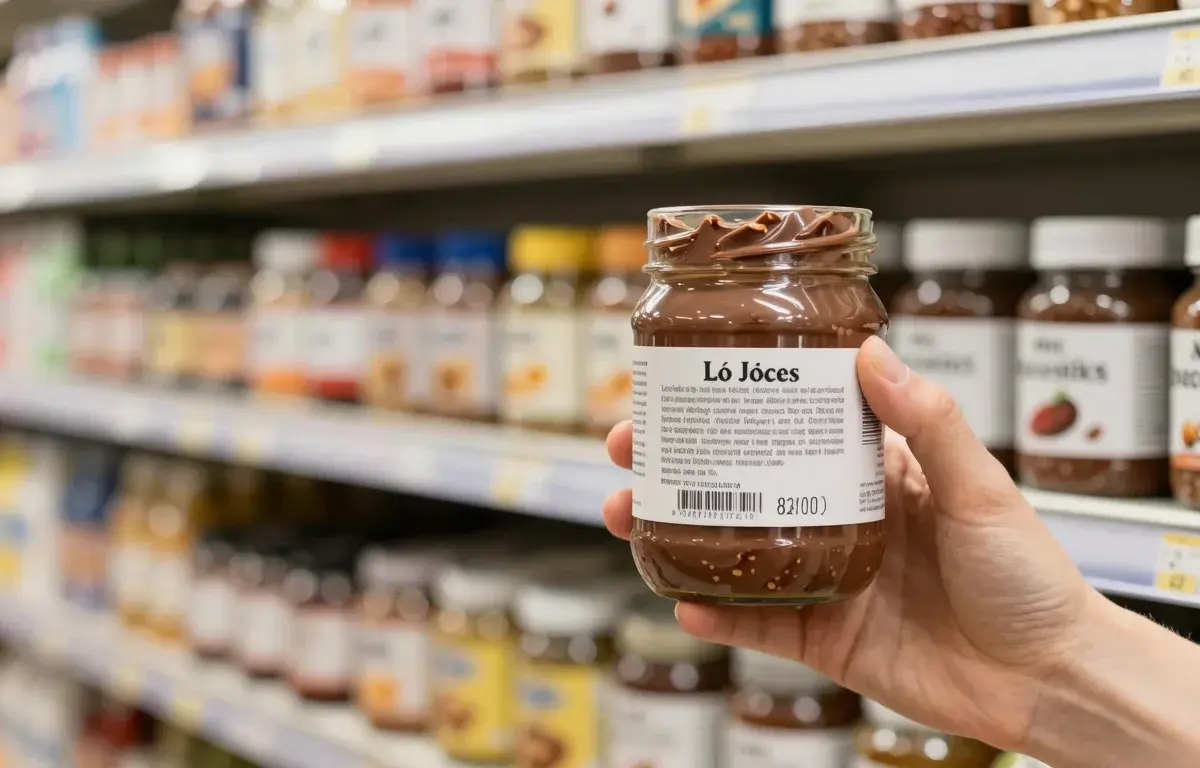
Nutella is kosher only when the specific jar in your hand carries a reliable kosher symbol. The spread contains skim milk powder, which makes it a dairy product, so even a certified jar is kept away from meat. Certification and recipe both change from country to country, so the label is where your answer lives.
The short answer
Nutella is kosher when your jar carries a trusted kosher symbol, and it is always dairy. The recipe leans on skim milk powder, so the spread can never be pareve.
A jar with no reliable mark is a question, not a yes. Recipes and supervision differ by country, so one jar being certified does not settle the jar sitting beside it on the shelf.
This is a detection question, not a ruling from me. For anything that touches your own standard, ask your rav.
Why Nutella is a dairy product
The dairy status comes from one ingredient, skim milk powder, which sits in every standard jar of Nutella. Milk makes a product dairy under kosher law, no matter how small the amount.
Dairy status carries a practical rule at the table. A dairy food is not eaten together with meat, and many people wait after meat before eating it, following their family custom.
You will often see a dairy jar marked with a letter D beside the symbol. That D is a labeling habit worth learning, and I explain it in our guide to what the D, M and P letters mean.
There is also a milk-source question that some families care about. Whether the milk is Chalav Yisrael or Chalav Stam varies by community, and you can read the difference in our Chalav Yisrael explainer. Communities differ here, so follow your rav.
What the ingredients actually contain
The core recipe is short: sugar, palm oil, hazelnuts, skim milk powder, cocoa, lecithin, and vanillin. Most of these are plant based, which keeps the real concern on the milk and the supervision.
Palm oil is a vegetable fat, so it is not a meat issue on its own. It still needs to come from a supervised production line, which is exactly what a hechsher confirms.
Lecithin in Nutella is usually soy or sunflower, both plant sources. Vanillin is a synthetic flavor, so the flavoring is not the sticking point here.
Nutella contains no gelatin and no carmine, so the usual candy worries do not apply. The real question stays simple: milk plus a trustworthy symbol.
Scan the barcode or label and KosherCheck checks it against your standards in seconds, with the reasons why.
Why the country on the jar matters
The recipe and the certification both shift as you cross borders. A jar bought in New York can carry a different mark, or a different supervising agency, than a jar bought in London or Paris.
Some European jars carry no on-pack hechsher at all, even when a local kashrut list treats the product as acceptable. That gap is why the jar in front of you matters more than a general reputation.
Batch and factory can move too, since large brands run several plants. The safe habit is to read the actual jar every time, rather than trusting memory.
When an imported jar shows a symbol I do not recognize, I scan it with KosherCheck to see which agency it belongs to before I buy. Communities weigh unfamiliar agencies differently, so check with your rav on the ones you accept.
The 15-second label check
A jar of Nutella takes about fifteen seconds to read well. The goal is to confirm a real symbol, not just the word kosher printed as marketing.
If the symbol is unfamiliar, treat it as a question rather than a pass. You can compare it against other products in our is it kosher guides to see how the same marks show up elsewhere.
When you are not sure at the shelf
Labels get crowded, and imported jars can hide the symbol near the barcode or in tiny print. When my eyes are tired at the end of a shopping trip, I do not trust a quick glance.
A scanner helps here. Point KosherCheck at the barcode or the label, and it reads the symbol and the ingredients, then checks them against the standards you set, from the agencies you trust to dairy rules and more. It runs on iPhone as a subscription, and it is a detection tool, not a halachic ruling.
To confirm a specific agency yourself, you can look it up on an official site such as the Orthodox Union. Their public listings show which products a given symbol covers.
Frequently asked questions
KosherCheck offers informational guidance and detects certifications and ingredients. It is not a halachic ruling. For a final decision, consult your rabbi.