 Certifications
Kosher Symbol K: What a Plain K on the Label Means
A plain letter K on a food label means only that someone claims the product is kosher. Because a single letter cannot be trademarked, the K does not tell you which rabbi or agency, if any, certified the food. To rely on it, you need to find the certifier by name and confirm your community accepts that certifier.
 Certifications
Unreliable Kosher Symbols: How to Check Any Hechsher
Unreliable kosher symbols are hard to spot by eye, because a fake or unauthorized mark can look just as official as a real one. The reliable way to judge any hechsher is to find out who stands behind it, check whether your community accepts that agency, and confirm the specific product. When a list or database does not settle it, ask your rav.
 Is It Kosher?
Is Nutella Kosher? What the Dairy Symbol Means
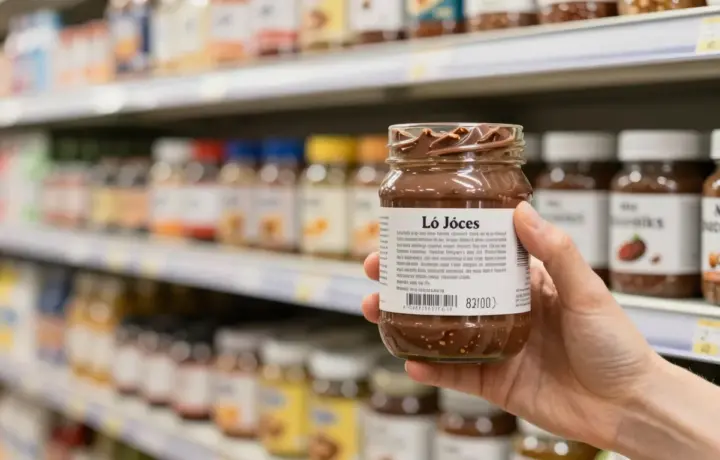
Nutella is kosher only when the specific jar in your hand carries a reliable kosher symbol. The spread contains skim milk powder, which makes it a dairy product, so even a certified jar is kept away from meat. Certification and recipe both change from country to country, so the label is where your answer lives.
 Certifications
What Do Mehadrin and Badatz Mean?
Mehadrin and Badatz both point to a higher tier of kosher supervision that goes beyond the basic standard. Mehadrin means the agency followed the stricter opinion at each step, and Badatz refers to a rabbinical court whose certification is usually held at that mehadrin level. Neither one means a regular hechsher is unreliable.
 Certifications
Glatt Kosher, Explained: What the Term Means
Glatt kosher means the lungs of a kosher animal were found completely smooth, with no adhesions that needed closer inspection. It is not a different kind of kosher. It is a stricter threshold within kosher meat, and here is what that really tells you at the counter.
 Certifications
Kosher Symbols Explained: OU, OK, Star-K and More
A kosher symbol is a small trademarked mark, like the OU, OK, or Star-K, that shows a certification agency approved a food as kosher. Learning to read these symbols, and the letters beside them, tells you at a glance whether a product fits your kitchen.