Cheese is kosher when it is made with kosher rennet and produced under rabbinic supervision, which is why the symbol on the label matters more than the ingredient list. Milk is kosher, but the rennet that sets the curd is where the real question lives. Here is how I check a cheese before it goes in my cart.
The short answer on cheese
Cheese sits in a gray zone that surprises a lot of shoppers. Milk on its own is kosher, and it counts as a dairy food, one of the three kosher categories. The moment you turn that milk into cheese, a new ingredient walks in the door.
That new ingredient is rennet, and rennet is where the kosher question really lives. A block of cheese is not automatically fine just because milk is fine. The coagulant that set the curd has its own story.
The short answer is simple. Cheese is kosher when it is made with kosher rennet and produced under rabbinic supervision. A plain wedge with no certification is not something I put in my cart, even when the ingredient panel looks clean.
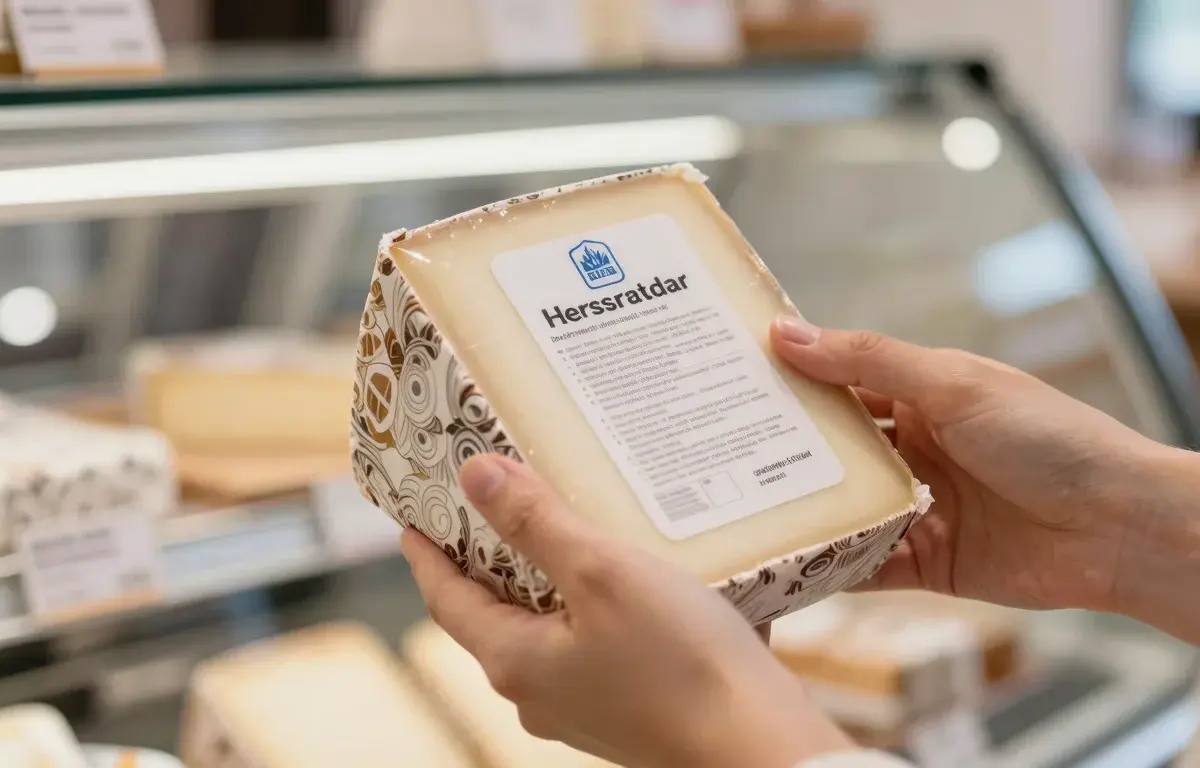
When I shop for my family, the first thing I check on a cheese is the hechsher, not the ingredient list. A trusted symbol tells me the rennet was vetted and the equipment was watched. Without that symbol, I have no way to know what enzyme set the curd.
Why rennet is the whole question
Rennet is the enzyme that makes milk curdle and split into curds and whey. Every real cheese needs a coagulant of some kind. For most of history that coagulant came from animals.
Traditional animal rennet is taken from the stomach lining of young calves. That origin is exactly why cheese needs supervision in the first place. An enzyme pulled from an animal carries the status of that animal.
If the rennet comes from a creature that was not slaughtered according to kosher law, its standing becomes a serious question. Rabbis have discussed animal rennet for a very long time, and communities do not all land in the same place.
There is also a meat and dairy angle worth naming. Rennet from an animal source raises the concern of a meat derivative sitting inside a dairy product. This is one of those areas where the fine points matter and opinions differ, so the honest move is to follow your own rav rather than a blog.
Animal, microbial, and vegetable rennet
Not all rennet is animal rennet, and the source changes the conversation. Today a cheesemaker can choose from several coagulants, and each one carries a different level of concern.
Animal rennet is the classic type, and it is the one that needs the most scrutiny. Microbial rennet is grown from molds or fungi, which sidesteps the animal question. Vegetable rennet comes from plants such as thistle.
There is also fermentation produced chymosin, often called FPC. It is made by fermentation rather than from a calf, and much modern cheese relies on it. Many people assume FPC is automatically fine.
Here is the catch that trips people up. Even a plant based or microbial coagulant does not make a cheese kosher on its own. The cultures, the production line, and the equipment still need supervision, and that is what a hechsher confirms.
Reading a cheese label in fifteen seconds
Reading a cheese label is a quick habit once you know the order of operations. I run the same short check on every cheese I pick up, and it takes about fifteen seconds.
Start with the symbol, not the words. A recognized hechsher near the product name is the single most useful mark on the package. Agency symbols such as OU, OK, Star-K, and KLBD are all common and normal to see on cheese.
Then read the letter beside the symbol. A dairy cheese will usually carry a D for dairy, which is expected. After that, glance at the ingredient line for the word rennet and note whether it says animal, microbial, or vegetable.
If you would rather not keep every agency and rennet type in your head, this is where a tool helps. When a label leaves me unsure, I scan it with KosherCheck, which reads the hechsher and ingredients and checks them against the standards I have set. For more product breakdowns, the is it kosher section walks through items one by one.
Scan the barcode or label and KosherCheck checks it against your standards in seconds, with the reasons why.
Hard cheese and Gevinat Yisrael
There is a second layer to cheese that goes beyond rennet. Some cheeses, especially hard cheeses, carry an additional requirement known as Gevinat Yisrael. The idea is that a Jew is involved at the moment the cheese is set.
Gevinat Yisrael is not the same thing as Chalav Yisrael, and the two are easy to mix up. Gevinat Yisrael is about supervision at the point of curdling. Chalav Yisrael is about supervision of the milking itself, a distinction I cover in Chalav Yisrael vs Chalav Stam.
Communities differ on how strictly they apply Gevinat Yisrael and to which cheeses. Some hold that a reliable hechsher already accounts for it. Others look specifically for cheese produced under closer supervision.
This is squarely a matter of custom and ruling, not something a label alone can settle. If hard cheese and its supervision level matter to your home, that is a question for your own rav.
Common cheeses and what to check
It helps to picture how this plays out on the shelf with everyday cheeses. The same rules apply whether you are holding a cheddar, a mozzarella, or a wedge of parmesan.
A certified cheese with a trusted symbol is straightforward. It has been checked for rennet and supervised in production, so it goes in the cart without a second thought. A cheese with no certification is a different story, no matter how simple the ingredients read.
Imported cheeses deserve extra care, because formulations and supervision vary by country. A cheese that is certified in one market may carry no reliable symbol in another. Agencies like Star-K publish guidance on cheese and rennet, and you can read more on the Star-K website.
When I am standing there with two similar blocks and only one has a symbol I trust, the choice is easy. If I want a fast second opinion, I let KosherCheck read both labels and tell me which one fits my standards.
Frequently asked questions
KosherCheck offers informational guidance and detects certifications and ingredients. It is not a halachic ruling. For a final decision, consult your rabbi.