Treif is any food that is not kosher. The word covers pork and shellfish, a cheeseburger that mixes meat and dairy, and even a candy that hides pork gelatin in the fine print. Here is what makes a food treif, and how to catch it on a label.
What Treif Actually Means
The word treif comes from the Hebrew tereifah, which means torn. In the Torah it describes an animal killed or mortally wounded by a predator, its flesh torn in the field. Over the centuries the word stretched to cover something much broader.
Today, when most people say treif, they mean any food that is not kosher. Pork is treif. A cheeseburger is treif because it mixes meat and dairy. A candy made with pork gelatin is treif even though you would never see a pig anywhere on the label.
So treif is really the opposite of kosher. Kosher food follows the dietary laws of kashrut. Treif is everything that falls outside them, whether the reason is the animal itself, the way it was slaughtered, or an ingredient hiding three lines down the label. For the categories that stay on the right side of that line, our meat, dairy and pareve guide breaks them down.
The Foods That Are Always Treif
Some foods are treif no matter who makes them or how carefully. These come straight from the Torah, and no certification can change them.
The clearest example is the pig. Pork, ham, bacon, and lard are all treif. A kosher land animal has to both chew its cud and have split hooves. The pig has split hooves but does not chew its cud, so it is out.
Seafood follows a simple rule. A kosher fish needs fins and scales that come off easily. Salmon, tuna, and cod qualify. Shrimp, lobster, crab, clams, oysters, and scallops do not, so all shellfish is treif. Scaleless fish like catfish, shark, and eel are treif too.
Birds of prey and scavengers are treif, which is why you never see hawk or vulture at the table. Reptiles, amphibians, and almost all insects are treif as well. Blood itself is never kosher, which is why kosher meat is salted and soaked to draw it out.
When a Kosher Animal Becomes Treif
Here is the part that surprises people. A food can come from a perfectly kosher animal and still be treif. The animal is only half the story.
Kosher meat has to be slaughtered a specific way, called shechita, by a trained person. A cow killed any other way is treif even though beef itself is kosher. The animal is inspected afterward, and certain internal defects make it tereifah in the strict, original sense of the word. The Orthodox Union’s kosher site explains the process in more detail.
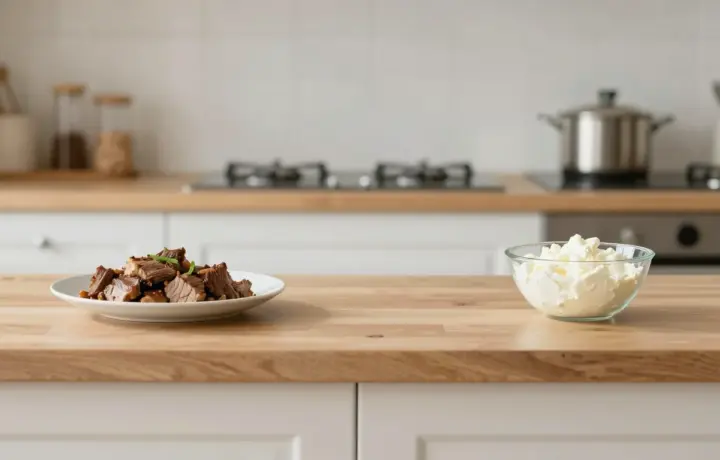
Then there is the most famous rule of all. Meat and dairy are never cooked or eaten together. A cheeseburger, chicken parmesan, and a beef stew finished with butter are all treif, not because of any single ingredient but because of the combination. Even the pots and utensils are kept separate.
Two more parts of a kosher animal stay off limits: certain fats, called chelev, and the sciatic nerve. Removing them is skilled work, which is one reason observant families buy meat that already carries a reliable hechsher rather than trusting a generic butcher. Where a specific defect is borderline, that is a question for your rav, not a label.
Scan the barcode or label and KosherCheck checks it against your standards in seconds, with the reasons why.
The Sneaky Treif: Hidden Ingredients
The treif that trips people up is rarely obvious. It is the ingredient you cannot picture. I have put a package back on the shelf more times than I can count over a single word in the fine print.
Gelatin is the classic one. It is often made from pork or from cattle that were not slaughtered kosher, so a gummy candy or a cup of yogurt can be treif even though nothing on it looks like meat. Our full gelatin guide walks through how to tell.
A few other ingredients worth knowing:
- Carmine (E120) is a red dye made from crushed insects, so it is treif.
- Rennet in cheese often comes from an animal source, which is why hard cheese needs certification.
- L-cysteine (E920), a dough conditioner, can be made from feathers or hair.
- Natural flavors and glycerin can be plant based or animal based, and the label rarely says which.
None of these mean a food is automatically treif. They mean you cannot know from the ingredient name alone, and that is exactly when a reliable hechsher does the work for you. If you would rather not memorize every code, KosherCheck reads the label and flags the ones that need a closer look.
How I Check a Label for Treif
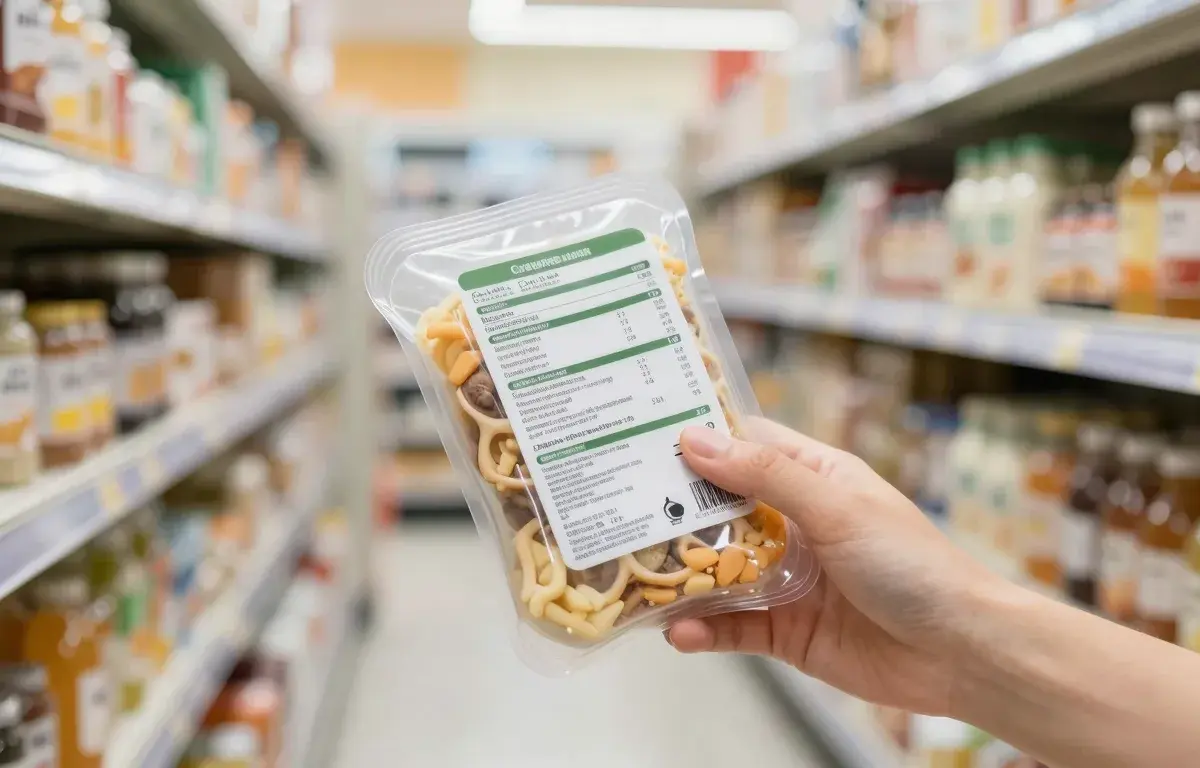
When I shop for my family, I do not read every ingredient first. I look for one small symbol, then work backward only if I need to.
The most reliable sign a food is not treif is a hechsher, the small symbol from a certifying agency near the product name. A plain K is not a certification on its own, since a single letter cannot be trademarked. A recognized symbol like OU, OK, Star-K, or Kof-K means a trained agency stands behind it.
The letters next to the symbol tell you more. A D means dairy, so it should not touch meat. Meat, pareve, and Passover markings each carry their own rules. If there is no symbol at all, I treat the food as unverified rather than assume the best.
Keeping every agency and additive in your head is a lot to ask. This is the practical reason I lean on KosherCheck: you scan the barcode or snap a photo of the label, and it checks the hechsher and the ingredients against the standards you have set, whether that includes Chalav Yisrael, Pas Yisroel, or the specific agencies you trust. It is a detection tool, not a substitute for your rabbi, but it turns a long label into a quick answer.
Treif in Restaurants and When You Travel
A packaged food gives you a label to read. A restaurant plate does not, which is where treif hides in plain sight.
Shared fryers are the quiet problem. A basket of fries cooked in the same oil as breaded shrimp picks up treif, even though potatoes are kosher on their own. Grills that sear bacon and then your vegetables do the same thing. This is why a kosher kitchen is certified as a whole operation, not dish by dish.
Traveling raises the stakes because the labels change language and the symbols change shape. A European product might carry KLBD from London or a Badatz mark instead of the American symbols you know. The ingredient rules are the same everywhere, but the packaging that proves them looks different from country to country.
When in doubt, the honest answer is to ask. Halachic questions about a specific defect, a borderline additive, or a community custom belong with your own rav, not a label and not an app. What you can do on your own is learn to read the package well enough to know when to ask. Our other kosher guides can help you get there.
Frequently asked questions
KosherCheck offers informational guidance and detects certifications and ingredients. It is not a halachic ruling. For a final decision, consult your rabbi.