Pas Yisroel means bread that a Jew took part in baking, most often by lighting the oven. It is a higher standard than basic kosher certification, kept by some communities and treated as optional by others. Here is what the term covers and how to recognize it.
What Pas Yisroel Actually Means
Pas Yisroel means bread that a Jew helped bake. The word pas is Hebrew for bread, and Yisroel refers to the Jewish people. The standard applies to baked goods made from the five grains: wheat, barley, rye, oats, and spelt.
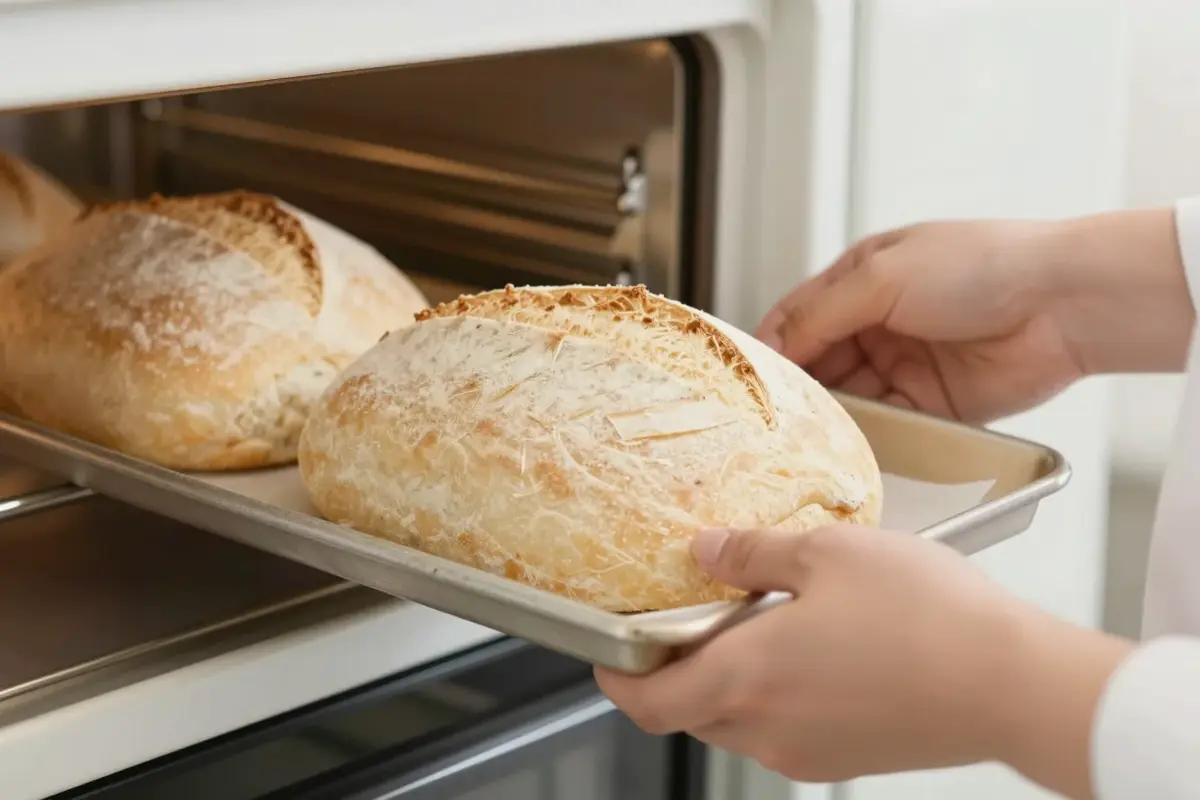
Under this standard, a Jew must take part in the baking. In practice that usually means a mashgiach, a kosher supervisor, lights the oven or adds fuel to the flame. That small act of involvement is enough to make the whole batch Pas Yisroel.
The idea is old. Rabbis wanted a measure of Jewish presence in the bread that families ate every day. Bread was a staple, and a staple carried extra weight in how carefully people watched its production.
Pas Yisroel sits a step above basic kosher certification. A loaf can carry a reliable hechsher and still not be Pas Yisroel, because standard supervision confirms the ingredients without requiring a Jew at the oven.
Why Rabbis Called for Jewish Involvement in Baking
The rule grew out of a broader concern about social closeness. Sages worried that sharing everyday food too freely could blur the lines between communities. Bread, eaten at nearly every meal, sat at the center of that concern.
Requiring Jewish participation in baking kept a small but steady link to Jewish oversight. It was never about the taste or the recipe. It was about who stood by the fire when the loaf was made.
Over the centuries, communities applied the rule in different ways. Some held firm on it for all bread. Others relaxed it in places where Jewish bakers were scarce and commercial baking was the only realistic option.
That history explains why Pas Yisroel still varies today. The standard is consistent in principle, but how strictly families keep it depends on their tradition and their rabbi.
Pas Yisroel vs Pas Palter
Pas Palter is the counterpart to Pas Yisroel. It refers to bread baked by a non-Jewish commercial baker, with no Jewish involvement in the baking itself. Pas Palter can still be fully kosher.
Many communities permit Pas Palter when the bread is otherwise kosher. The reasoning is practical. When bread from a Jewish baker is not available, a reliable commercial loaf fills the need.
Other communities lean toward Pas Yisroel whenever they can, and treat Pas Palter as a fallback rather than a first choice. During the Ten Days of Repentance, from Rosh Hashanah through Yom Kippur, many who normally allow Pas Palter switch to Pas Yisroel.
This is one of those areas where practice differs from home to home. Whether you rely on Pas Palter year round or reserve it for need is a question for your own rabbi, not a single fixed rule.
Scan the barcode or label and KosherCheck checks it against your standards in seconds, with the reasons why.
How to Spot Pas Yisroel on a Label
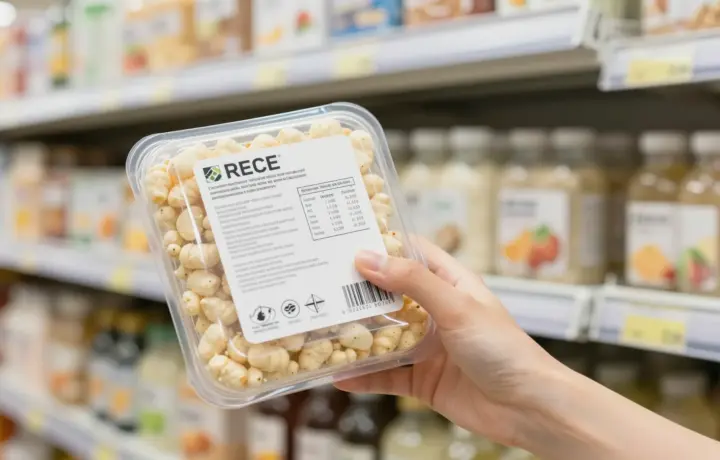
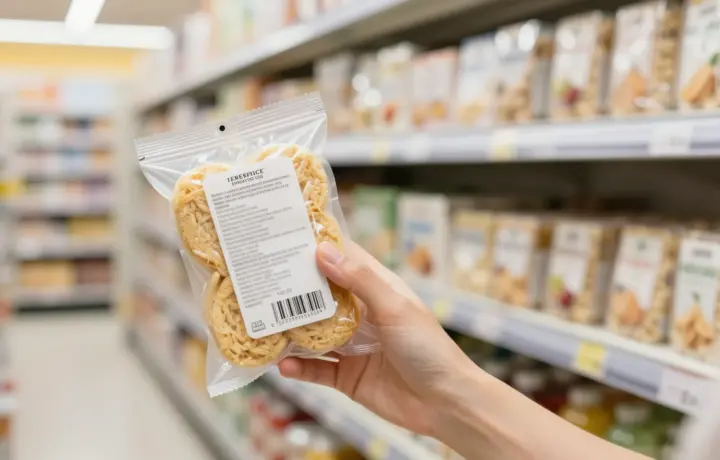
Most products do not announce Pas Yisroel on the front. You usually find it near the kosher symbol, printed as the words Pas Yisroel or the short form Pas Yis.
Some hechsherim add the note right beside their mark. Others record it only in a certification letter or on the company’s kosher listing, so the package alone may not tell the whole story.
When the label is unclear, the certifying agency is the most reliable source. Agencies such as the OU publish which products under their supervision are Pas Yisroel. You can confirm current details on the OU kosher division site.
Reading these small notes on every package gets tedious fast. When I am moving quickly through a store, I scan the barcode or the label with KosherCheck and let it flag whether a product meets the standards I keep, Pas Yisroel included.
Pas Yisroel and Chalav Yisrael: Related but Different
Pas Yisroel and Chalav Yisrael sit in the same family of higher standards. Both call for Jewish involvement in how a food is produced, and both go beyond basic kosher certification.
The difference is what they cover. Pas Yisroel is about bread and baked goods from the five grains. Chalav Yisrael is about milk and dairy produced under Jewish supervision.
A household that keeps one does not automatically keep the other. Some families are strict on Chalav Yisrael but rely on Pas Palter, and some do the reverse.
You will find both standards discussed on the same certification pages, because they often appear side by side on higher-supervision products. Knowing which one a symbol refers to keeps you from assuming more than the label promises.
Do You Need to Keep Pas Yisroel?
Whether Pas Yisroel is required for you depends on your community and your own practice. Some hold it as a firm standard for all bread. Others keep it mainly during the Ten Days of Repentance and allow Pas Palter the rest of the year.
I am a kosher food writer, not a rabbi, so I will not tell you where your line should be. What I can say is that the answer is a real halachic question, and it belongs with your rav.
If you have decided to keep Pas Yisroel, the practical challenge is consistency at the shelf. Symbols are small, wording varies, and a rushed shopping trip makes it easy to miss a note.
That is the gap a tool can close. I keep KosherCheck on my phone, so when a label is cramped or unclear, I get a quick read on whether a product fits my standards before it goes in the cart.
Frequently asked questions
KosherCheck offers informational guidance and detects certifications and ingredients. It is not a halachic ruling. For a final decision, consult your rabbi.