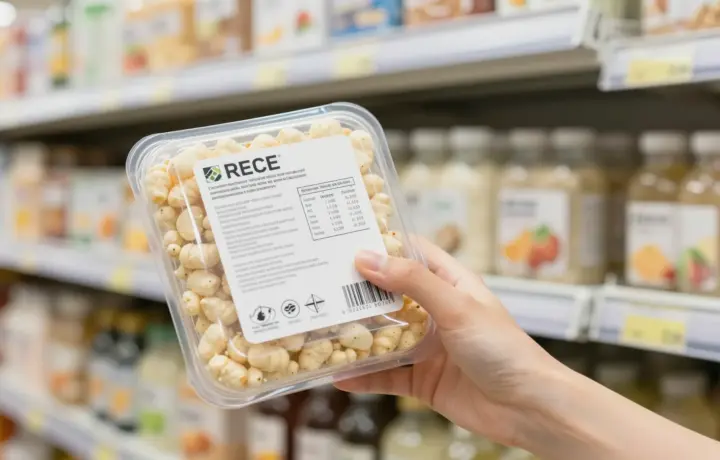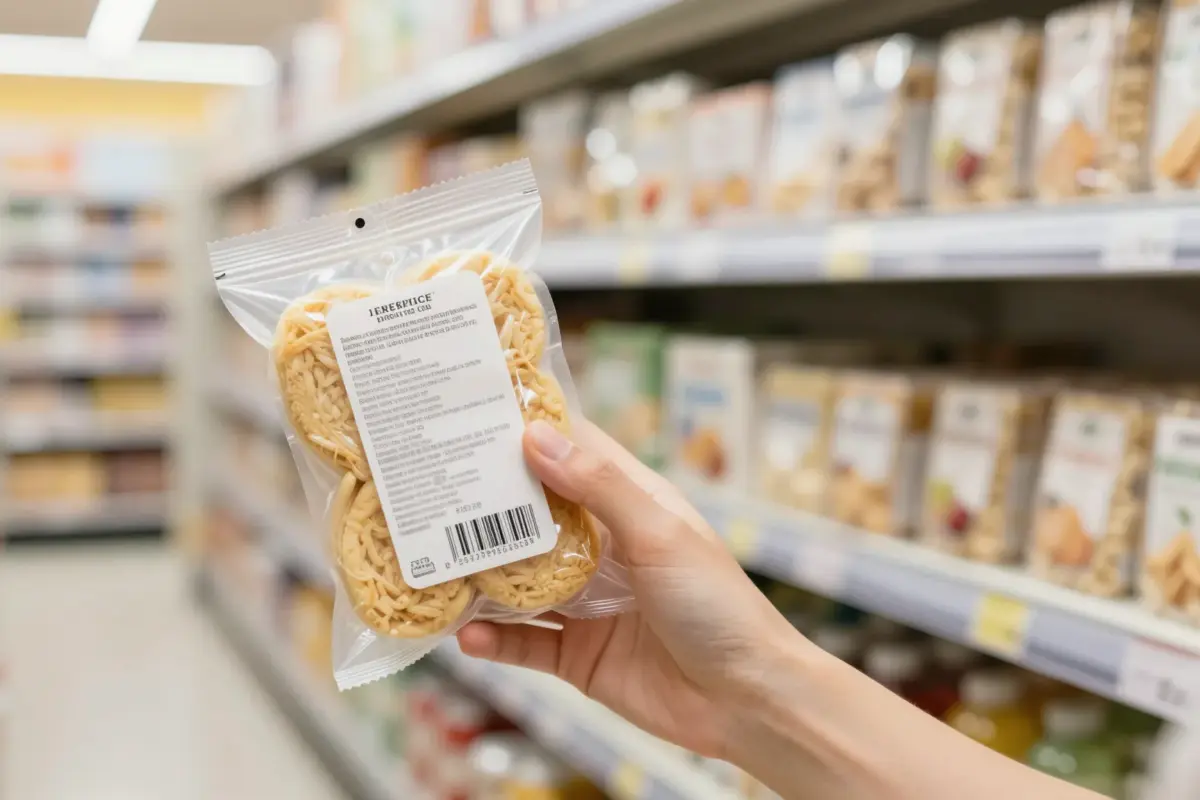
A hechsher is the small symbol a recognized kosher agency prints on a product to show a rabbi supervised how it was made. It is the difference between real certification and a brand simply calling itself kosher. Learning to spot and read one is the single most useful habit for any kosher shopper.
What a Hechsher Actually Is
A hechsher is a symbol printed on food packaging that shows a recognized kosher certification agency supervised the product. The word comes from a Hebrew root that means approval or validation. When a company wants its product accepted as kosher, it hires an agency, opens its plant to inspection, and earns the right to print that agency’s mark.
The symbol itself is usually small. On most products it sits near the ingredient panel, the barcode, or the lower corner of the front label. A plain letter K is the weakest signal, because a single letter cannot be trademarked and any company can print one without oversight. A registered symbol, such as a U inside a circle or a K inside a star, points to a specific organization you can look up and contact.
I grew up reading these marks before I could read an ingredient list in full. The first thing I check on any package is not the ingredients, it is whether a real agency put its name on the box. For a broader tour of the marks you will meet, our guide to kosher symbols walks through the most common ones.
Why a Hechsher Matters More Than the Word Kosher
The word kosher on the front of a package is marketing language, not certification. A brand can print kosher style or traditional recipe without any rabbi ever setting foot in the factory. Only a hechsher from a recognized agency means someone actually inspected the ingredients, the equipment, and the production process.
Kosher status depends on details a shopper standing in the aisle cannot see. Two products with identical ingredient lists can differ because one plant also runs dairy equipment on the same line and the other does not. A hechsher is designed to cover exactly these hidden factors, from the true source of an emulsifier to whether the line was cleaned between production runs.
This is why a certifying symbol carries far more weight than any wording on the front of the box. You can browse more of these topics in our certifications section, which collects guides on how the major agencies work.
How to Read a Hechsher on the Label
Reading a hechsher takes only a few seconds once you know where to look. The goal is to confirm three things: that a real agency is behind the mark, what food category it falls into, and whether it needs a special designation like Passover.
When you shop for a large family the way I do, holding every agency and every letter in your head gets tiring. That is when a tool like KosherCheck earns its place, since you can scan the barcode or photograph the label and let it flag the hechsher and the ingredients for you.
Scan the barcode or label and KosherCheck checks it against your standards in seconds, with the reasons why.
What the Letters Next to a Hechsher Mean
Most hechsherim appear with a letter or short abbreviation beside them, and that small print changes what the product is. A D means the product is dairy or was made on dairy equipment. An M means meat. Pareve means the food is neither meat nor dairy and can be eaten with either.
The letter P is the one that trips people up most often. Next to a hechsher, P almost always means Passover, not pareve. A product marked OU-P is certified for Passover, which is a separate and stricter standard, and it does not mean the food is pareve. Reading that letter wrong is one of the most common label mistakes I see.
For a full breakdown of these codes, including DE for dairy equipment and the difference between P and pareve, see our guide to kosher certification letters. Getting comfortable with these letters is half the work of reading any hechsher.
Reliable Hechsherim and How Standards Differ
Not every hechsher carries the same authority, and this is where shoppers benefit from knowing the landscape. Large agencies like the OU, OK, Star-K, and Kof-K in the United States, and KLBD and the various Badatz bodies abroad, are widely recognized and publish their standards openly. You can look up a symbol and read exactly what the agency certifies. The OU, for example, lists its certified products on its official site at ou.org.
Standards also differ in ways that matter to your household. Whether an agency requires Chalav Yisrael, Pas Yisroel, glatt meat, or a particular approach to kitniyot varies between agencies and between communities. There is no single answer here, and observant families rely on different agencies for good reasons. For which standards fit your practice, your own rav is the right person to ask.
What a Hechsher Does Not Tell You
A hechsher tells you that a product was supervised, but it does not decide what meets your personal standard. Two certified products can both be genuinely kosher while only one fits the level your family keeps. The mark confirms oversight, not that the food matches your specific custom.
A symbol also cannot promise that a formulation never changed. Recipes shift, plants add new equipment, and a product certified last year may carry a different mark or none at all today. This is why reading the current label matters more than remembering what a brand used to be. A scan tool like KosherCheck helps here by reading the label in front of you rather than relying on memory, though it detects and flags rather than issues any ruling.
Above all, a hechsher is a starting point, not a halachic verdict. For any real question about whether a product suits your practice, the honest answer is to ask your rav. The symbol earns your first look, and your rabbi settles the rest.
Frequently asked questions
KosherCheck offers informational guidance and detects certifications and ingredients. It is not a halachic ruling. For a final decision, consult your rabbi.