 Guides
 Kosher Kitchen Basics: Separating Meat and Dairy
A kosher kitchen is built to keep meat and dairy completely apart. That means two sets of dishes, pots and utensils, careful washing, and a waiting period between meat and dairy foods.
 Guides
 Why Are Meat and Dairy Separated in Kosher Law?
Meat and dairy are separated in kosher law because of one short Torah verse, do not cook a young goat in its mother's milk. That verse appears three times, and Jewish tradition reads it as three separate prohibitions, which is why a kosher kitchen keeps meat and milk apart on the plate, in the cookware, and even in time.
 Guides
 What Is Shechita? The Kosher Slaughter Process
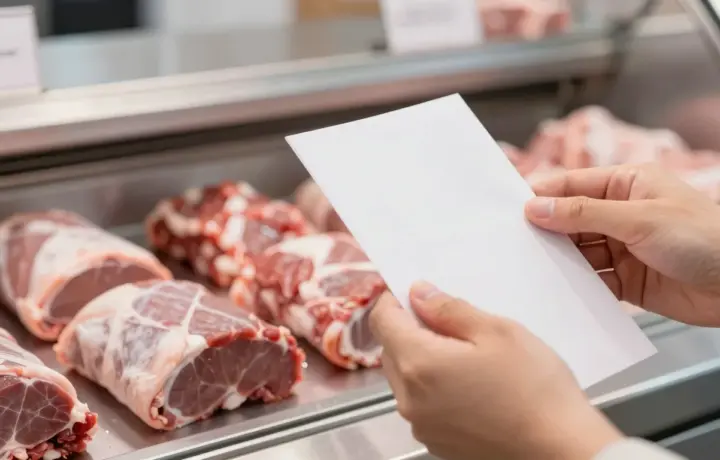
Shechita is the Jewish ritual method of slaughter, and meat is kosher only when an animal is killed this exact way. It is a swift, precise cut to the throat performed by a trained shochet, followed by a careful inspection. Here is how the process works and what it means when you read a label.
 Guides
 What Does Treif Mean? Non-Kosher Foods Explained
Treif is any food that is not kosher. The word covers pork and shellfish, a cheeseburger that mixes meat and dairy, and even a candy that hides pork gelatin in the fine print. Here is what makes a food treif, and how to catch it on a label.
 Certifications
 What Do Mehadrin and Badatz Mean?
Mehadrin and Badatz both point to a higher tier of kosher supervision that goes beyond the basic standard. Mehadrin means the agency followed the stricter opinion at each step, and Badatz refers to a rabbinical court whose certification is usually held at that mehadrin level. Neither one means a regular hechsher is unreliable.
 Certifications
 Glatt Kosher, Explained: What the Term Means
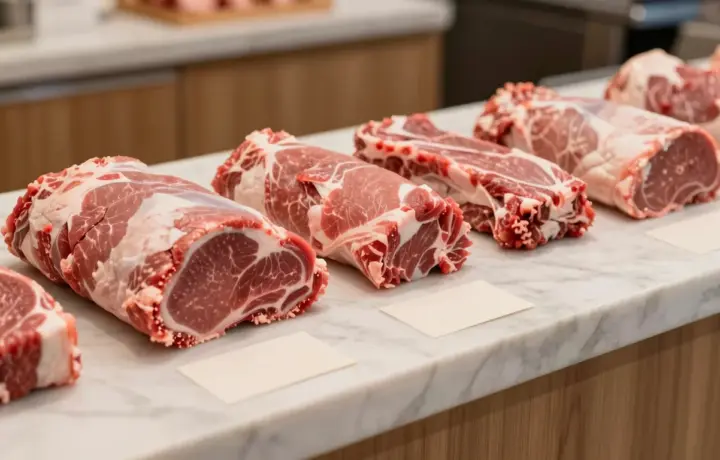
Glatt kosher means the lungs of a kosher animal were found completely smooth, with no adhesions that needed closer inspection. It is not a different kind of kosher. It is a stricter threshold within kosher meat, and here is what that really tells you at the counter.