Shechita is the Jewish ritual method of slaughter, and meat is kosher only when an animal is killed this exact way. It is a swift, precise cut to the throat performed by a trained shochet, followed by a careful inspection. Here is how the process works and what it means when you read a label.
What Shechita Actually Means
Shechita is the Jewish ritual method of slaughtering permitted animals and birds for food. Meat is kosher only when the animal was killed this exact way. Stunning, a bullet, or an ordinary factory blade does not qualify.
The word shechita comes from a Hebrew root that means to slaughter. In practice it describes a single, precise cut across the front of the throat with a specialized knife. The aim is a swift severing of the windpipe, the esophagus, and the major blood vessels.
These rules come from the Torah and were detailed by the sages over centuries. They govern who may perform the act, the blade that is used, the motion of the cut, and the inspection that follows. A failure at any one of these points can turn otherwise permitted meat into treif.
The Shochet: Who Is Allowed to Do It
Shechita may only be carried out by a shochet, a trained and observant Jew who is certified for the task. This is not a job someone picks up casually. It takes years of study and hands-on practice under supervision.
A shochet learns the laws of slaughter in fine detail before ever touching an animal. He must know exactly what invalidates a cut and how to check his own blade. Many communities require him to be tested regularly and to hold formal certification, known as kabbalah.
Large certifying bodies stand behind this training across much of the supply chain. Agencies like the Orthodox Union set and supervise the standards that a shochet and a plant must meet. That oversight is what lets a shopper trust a symbol instead of inspecting every carcass.
Character matters as much as skill. The shochet is trusted to report honestly when something goes wrong, even when no one is watching. If you want the bigger picture of how these terms fit together, our guides section walks through them step by step.
How the Cut Is Made
The knife used for shechita is called a chalaf. It is straight, extremely sharp, and perfectly smooth along its edge. The shochet runs a fingernail along the blade before and after each use to feel for the smallest nick.
Why the obsession with smoothness. A blade with even a tiny dent tears rather than cuts, and tearing invalidates the slaughter. The cut must glide in a single, uninterrupted motion across the throat.
The target is the soft part of the neck where the windpipe and the esophagus sit. A valid shechita severs the majority of both pipes in one pass. Done correctly it is fast, and it is intended to minimize the animal’s suffering.
Blood is central to what comes next. Jewish law forbids consuming blood, so the severing of the vessels allows rapid drainage. The meat is later salted and soaked to draw out the remaining blood before it is ready to eat.
The Five Rules That Can Invalidate It
Tradition lists five specific errors that can disqualify a shechita. If the shochet commits any of them, the animal is not kosher and the meat may not be eaten. This is why the act demands such focus.
Each of these turns a clean cut into a flawed one. The shochet is trained to avoid all five at once, in a single motion, on a living animal. It is far harder than it looks, which is why certification is taken so seriously.
Scan the barcode or label and KosherCheck checks it against your standards in seconds, with the reasons why.
The Inspection That Follows
Shechita is only the first step. After the cut, the animal is examined internally in a process called bedikah. The lungs get special attention, because that is where problems most often appear.
Inspectors look for adhesions, lesions, or punctures that would make the animal treif. If they find a disqualifying defect, the meat is rejected no matter how perfect the slaughter was. The health of the animal is part of the kosher standard, not an afterthought.
Lungs found smooth and free of adhesions can qualify the meat as glatt. That term, which many shoppers see on packaging, is tied directly to this inspection. Our explainer on glatt kosher covers what the word does and does not promise.
Communities differ on how strict the inspection must be. Some accept minor adhesions that can be checked and peeled, others do not. This is a place where you should follow your own rav rather than a general article.
Which Animals Shechita Applies To
Shechita only helps if the animal is a kosher species to begin with. A pig cannot be made kosher by any slaughter, because it is forbidden outright. The method matters only for animals the Torah already permits.
Kosher land animals must chew their cud and have split hooves, which covers cattle, sheep, goats, and deer. Permitted birds follow a tradition-based list that includes chicken, turkey, duck, and goose. Each of these still requires proper shechita.
Fish are the exception. Kosher fish, those with fins and removable scales, do not require shechita at all. That is why a can of tuna carries a hechsher but never involves a shochet.
Everything else, from shellfish to birds of prey, stays off the table regardless of method. For the full picture of how permitted foods are grouped, our guide to the kosher categories lays out meat, dairy, and pareve.
What This Means at the Store
You will never see the shechita happen when you shop. All of that work is compressed into a small symbol on the package, the hechsher. Your job at the shelf is to read that symbol and the ingredient list correctly.
For meat and poultry, look for a reliable agency mark and, if it matters to you, the word glatt or a mehadrin level. For processed foods, the same symbol means a certifying body stood behind the whole supply chain. The label is the end of a long process that started with a shochet.
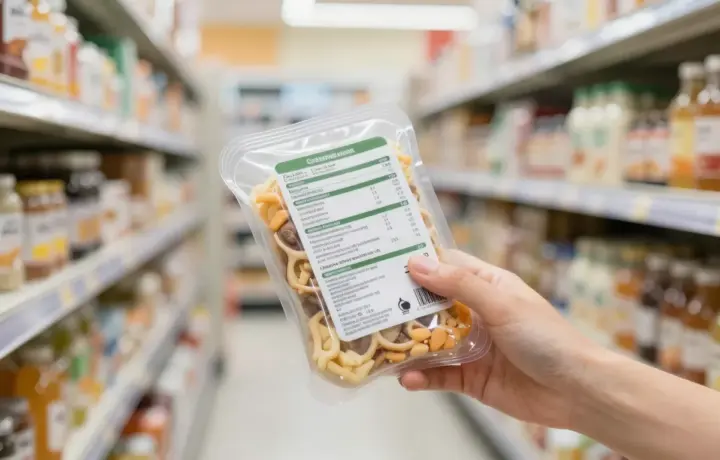
Keeping every agency, letter, and standard in your head is a lot to ask. When I am not sure about a product, I scan it with KosherCheck, which reads the hechsher and ingredients and checks them against the standards I keep. It is faster than squinting at fine print in a busy aisle.
The app is a detection tool, not a ruling. KosherCheck can tell you what symbol is on a package and flag an ingredient worth a second look. For an actual halachic question about a specific product or a slaughter standard, ask your rav.
Frequently asked questions
KosherCheck offers informational guidance and detects certifications and ingredients. It is not a halachic ruling. For a final decision, consult your rabbi.