Kosher means food that meets the requirements of Jewish dietary law, known as kashrut. It covers which animals may be eaten, how meat and dairy are kept separate, and how products are supervised. This guide walks you through the basics in plain English.
What Kosher Actually Means
Kosher is the everyday English word for food that meets kashrut, the body of Jewish dietary law rooted in the Torah. The Hebrew word kasher means fit or proper. When a food is kosher, it is fit to eat for someone who keeps these laws.
A common misconception is that kosher food is food blessed by a rabbi. No blessing makes food kosher. What matters is the source of every ingredient, how the food was prepared, and what equipment touched it along the way.
Kashrut covers three broad areas. First, which animals and animal products may be eaten at all. Second, the complete separation of meat and dairy. Third, supervision, meaning a reliable system that verifies what actually went into a product.
I grew up reading labels in the grocery store with my mother, and the first lesson she taught me still holds. The front of the package sells; the ingredient list and the certification mark tell the truth.
Meat, Dairy and Pareve: The Three Categories
Every kosher food falls into one of three categories: meat, dairy, or pareve. Meat covers kosher animals and poultry, plus anything derived from them, like chicken broth or beef gelatin. Dairy covers milk from kosher animals and everything made from it, including whey, butter, and cheese.
Pareve means neutral. Eggs, fish, fruits, vegetables, grains, and most plain beverages are pareve. Pareve foods can be eaten with either meat or dairy meals, which makes them the workhorses of a kosher kitchen.
Category matters on labels too. A certification symbol often carries a letter, such as D for dairy, and that letter changes how a product can be used at your table. You can explore more foundational topics like this in our guides section.
Which Animals Are Kosher
The Torah gives clear physical signs for kosher animals. Land animals must both chew their cud and have fully split hooves. Cows, sheep, and goats qualify. Pigs do not, because they have split hooves but do not chew their cud.
Fish must have both fins and scales. Salmon, tuna, and cod qualify. Shrimp, lobster, all shellfish, and scaleless fish like catfish do not. For birds, tradition recognizes species such as chicken, turkey, and duck as kosher, while birds of prey are not.
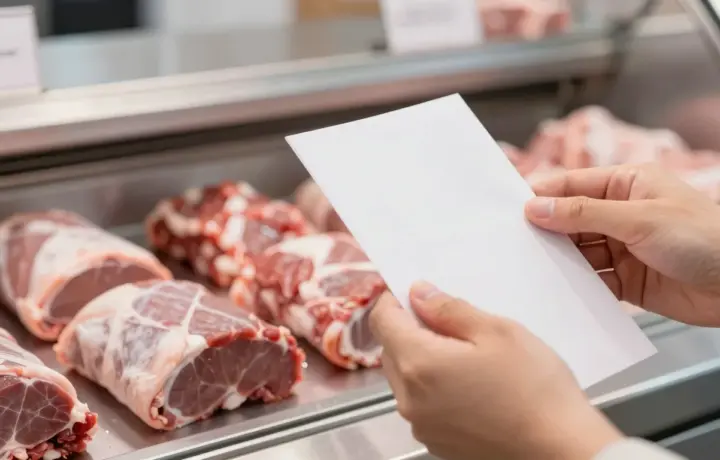
A kosher species is not automatically kosher on your plate. The animal must be slaughtered through shechita, a precise method carried out by a trained shochet, and the meat must then be inspected and salted to remove blood.
Scan the barcode or label and KosherCheck checks it against your standards in seconds, with the reasons why.
Why Meat and Dairy Never Mix
The Torah states three times, do not cook a kid in its mother’s milk. From these verses comes the complete separation of meat and dairy. A kosher meal is either a meat meal or a dairy meal, never both at once.
The separation goes beyond the plate. Kosher kitchens keep separate pots, dishes, and cutlery for meat and dairy, and often separate sinks or counter areas. Cookware absorbs the status of what is cooked in it, which is why a cheeseburger cannot simply be taken apart into kosher pieces.
Timing matters as well. After eating meat, most communities wait before eating dairy. Common waiting periods range from one hour to six hours, and the custom varies by community and family. This is a classic area where practice differs, so follow the guidance of your own rav.
This rule also explains the DE mark you will sometimes see on packaging. A product with no dairy ingredients may still run on dairy equipment, and that detail changes how some families use it.
How to Read a Kosher Symbol
A hechsher is the small certification symbol printed on packaging, and it is the single most useful tool a kosher shopper has. It tells you a certifying agency reviewed the ingredients, supervised production, and inspected the facility.
The big four agencies in the United States are the OU, OK, Star-K, and Kof-K. In the UK you will often see KLBD, and in Israel various Badatz and Rabbanut certifications. Each agency publishes its standards, and you can read more about the major symbols in our certifications section.
Letters next to the symbol carry meaning. D means dairy. Meat means meat. P means kosher for Passover. A plain symbol with no letter generally indicates a pareve product.
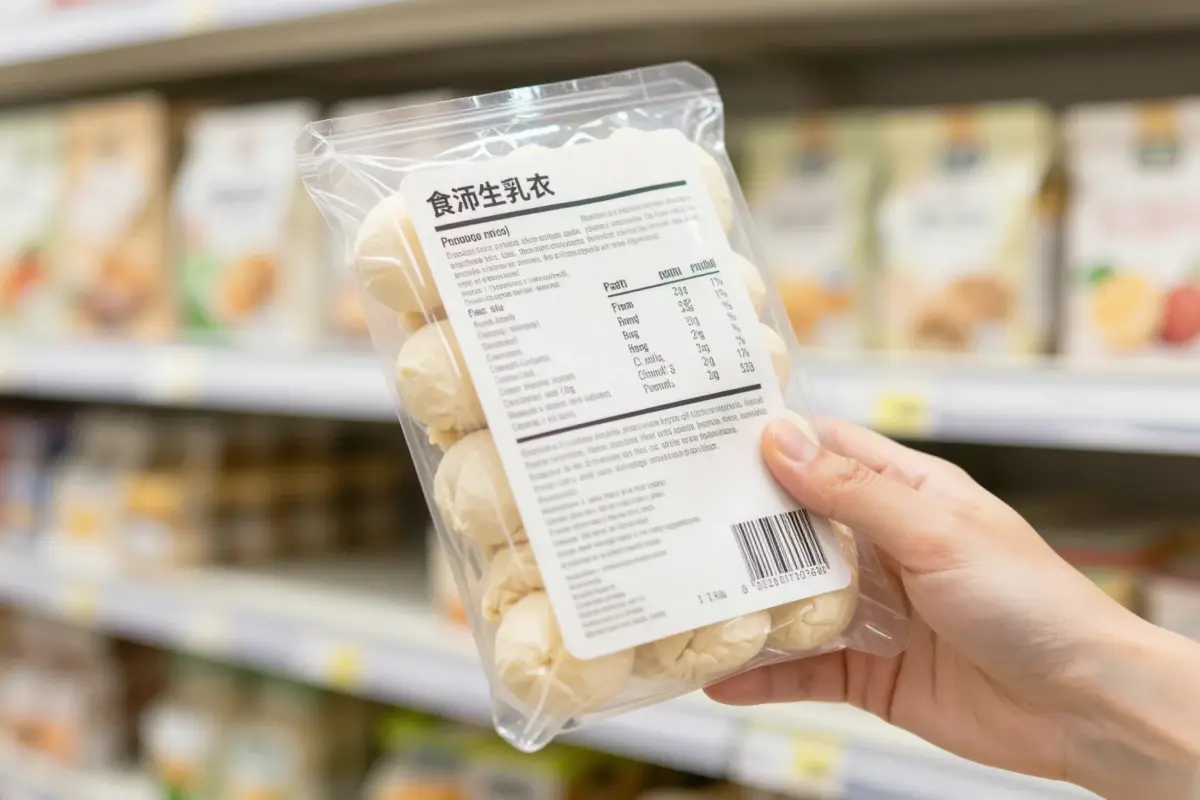
Learning the common symbols takes time, and there are hundreds of agencies worldwide. When I face an unfamiliar mark in a store aisle, I scan the package with KosherCheck, which detects the hechsher and reads the ingredient list against my own standards in seconds.
Ingredients That Surprise Beginners
Some ingredients trip up nearly every beginner. Gelatin is usually made from pork or non-kosher beef, and it hides in marshmallows, gummy candy, yogurt, and some vitamins. Carmine, listed as E120 or cochineal, is a red color made from insects and is not kosher.
Rennet, the enzyme used in cheesemaking, can come from animal stomachs, which is why many observant Jews buy only certified cheese. L-cysteine, a dough conditioner in some breads, may be derived from feathers. Even natural flavors can conceal animal-derived components.
None of this means you need to memorize a chemistry textbook. It means the ingredient list deserves ten seconds of your attention, and a reliable hechsher does the hard work for you. We cover individual additives in depth in the ingredients section, and popular products in is it kosher.
For borderline products, I lean on KosherCheck at the shelf. It reads a barcode or a photo of the label, flags ingredients like gelatin and carmine, and evaluates the product against the agencies and standards you set, such as Chalav Yisrael or specific trusted hechsherim.
How to Start Keeping Kosher
Nobody transforms their kitchen overnight, and most rabbis advise taking on kashrut in stages. A common path starts with buying only certified products, then separating meat and dairy at meals, then working toward a fully kosher kitchen.
Find a rav or a local kosher supervision organization early. Kashrut has many areas where communities differ, including cheese, milk, bread, and waiting times, and a rav who knows you can guide decisions that fit your community.
Keeping kosher becomes routine faster than most people expect. The symbols grow familiar, the safe brands become habits, and the label check drops to a few seconds. Treat this guide as a starting point, not a ruling. For any halachic question, ask your own rabbi.
Frequently asked questions
KosherCheck offers informational guidance and detects certifications and ingredients. It is not a halachic ruling. For a final decision, consult your rabbi.