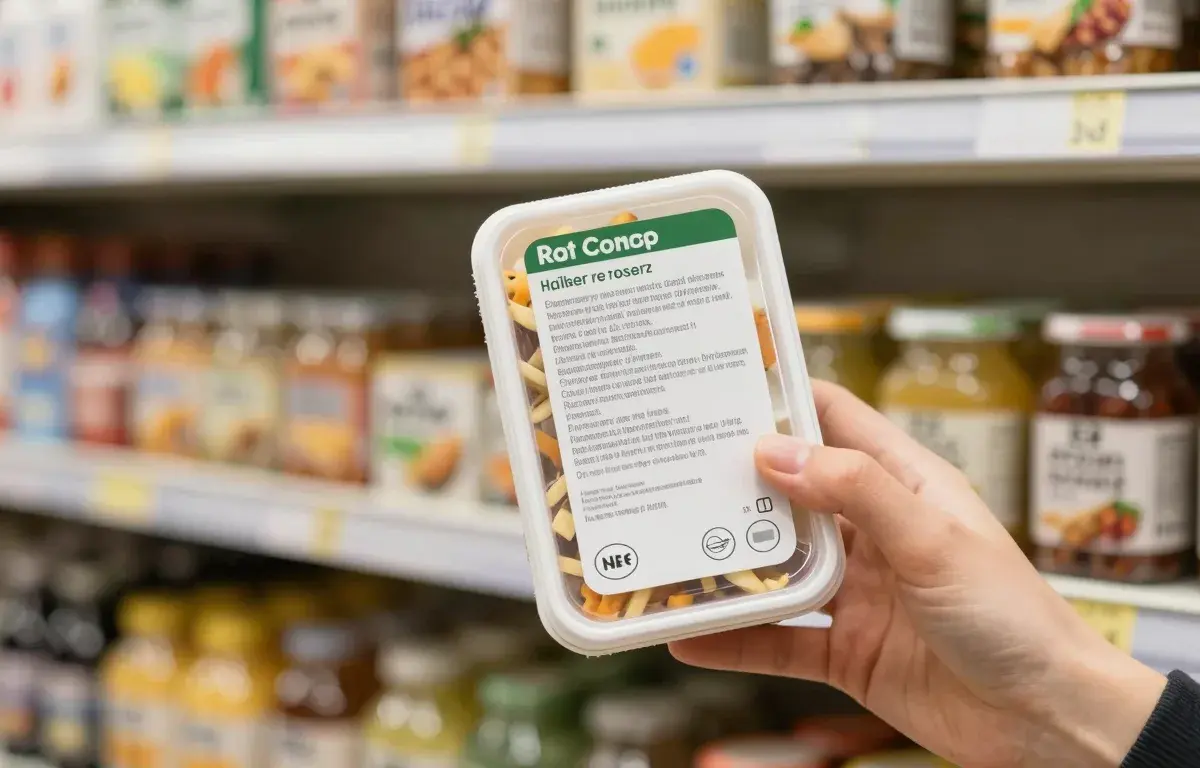
Kosher for Passover means a food contains no chametz and carries certification made specifically for the eight days of Passover. Regular kosher is not enough. During the holiday, Jewish law forbids owning or eating anything leavened from the five grains, so a separate Passover symbol is what you look for.
What Kosher for Passover Really Means
Kosher for Passover means a food contains no chametz. Chametz is any product made from the five grains, wheat, barley, rye, oats, and spelt, that has been allowed to leaven or ferment. During the eight days of Passover, Jewish law forbids owning or eating chametz in any amount.
The rule is stricter than everyday kosher. A cookie can be perfectly kosher all year and still be off limits on Passover because it contains leavened wheat flour. That is why a separate certification exists just for these eight days.
When I shop for my family before the holiday, the first thing I check on a label is whether the product carries a Passover specific mark, not just a regular symbol. A year round hechsher alone does not make something kosher for Passover.
The Five Grains and the Kitniyot Question
The five grains sit at the center of Passover law. They are wheat, barley, rye, oats, and spelt. In leavened form these grains are chametz and forbidden. The one permitted use during the holiday is matzah, which is baked so quickly that the dough cannot rise.
Kitniyot is a separate category that causes a lot of confusion. It covers legumes, rice, corn, and seeds, including beans, lentils, peas, and mustard. These foods are not chametz.
Here custom divides the Jewish world. Many Ashkenazi communities avoid kitniyot on Passover by long standing tradition. Many Sephardic communities eat them freely. This is a matter of communal custom rather than a single fixed rule, so practices differ from one family to the next.
I am a writer, not a rabbi, so I will not tell you where your line should fall. If you are unsure whether a food counts as kitniyot or whether your community keeps that custom, ask your own rav.
How to Read a Kosher for Passover Label
A kosher for Passover product carries a certification symbol together with a Passover marking. You will often see the agency symbol with a letter P next to it, or the words Kosher for Passover printed close by.
One detail trips up many shoppers every year. The P in a Passover mark stands for Passover, not pareve. A product labeled with that P can still contain dairy. To learn whether an item is meat, dairy, or pareve, you read the separate D, M, or blank marking beside the main symbol.
Some agencies print Kosher for Passover in plain words on the package or add a seasonal sticker. When a product relies on a sticker rather than printed text, check that the sticker is intact and comes from an agency you trust. Certification agencies publish detailed Passover guides each year, such as the Star-K Passover directory.
Scan the barcode or label and KosherCheck checks it against your standards in seconds, with the reasons why.
The 15-Second Passover Label Check
Before a product goes into my cart during Passover, I run a quick check. It takes about fifteen seconds once you know the order of the steps.
If holding all of this in your head at the shelf feels like a lot, this is where KosherCheck helps. You scan the barcode or photograph the label, and it flags the Passover mark, reads the ingredient list, and tells you whether the product matches the standards you keep.
Which Foods Need Passover Certification
Fresh, single ingredient foods are usually the simplest. Raw fruits and vegetables, plain eggs, and unprocessed fresh kosher meat do not need a Passover symbol, though produce should still be washed and checked for insects.
Processed foods are where the care goes. Anything with several ingredients can pick up chametz through flavorings, thickeners, or shared equipment. Common examples worth checking include chocolate, candy, soda, coffee, cheese, and packaged snacks.
Matzah and matzah products need certification confirming they were baked under Passover time controls. Wine and grape juice need kosher for Passover certification too, since processing aids used in production can be a concern.
For more holiday shopping guides, see our Passover section. Building a Passover pantry goes faster when you check the tricky processed items first and leave the fresh produce for last.
Cleaning and Kashering Before the Holiday
Keeping kosher for Passover is about more than shopping. Before the holiday, homes are cleaned to remove chametz from cupboards, counters, drawers, and even cars. Many families sell their remaining chametz through their rabbi rather than throwing it away.
Kitchen surfaces and some utensils can be kashered for Passover, while others are set aside and replaced with Passover only items. The correct method depends on the material and on your community custom, so this is a good moment to ask your rav.
When the cooking starts, a fast label scan with KosherCheck is a simple way to double check a pantry item before it goes into a Passover dish. It reads the certification and ingredients against your standards, though the final call on any halachic question belongs with your rabbi, not an app.
Frequently asked questions
KosherCheck offers informational guidance and detects certifications and ingredients. It is not a halachic ruling. For a final decision, consult your rabbi.